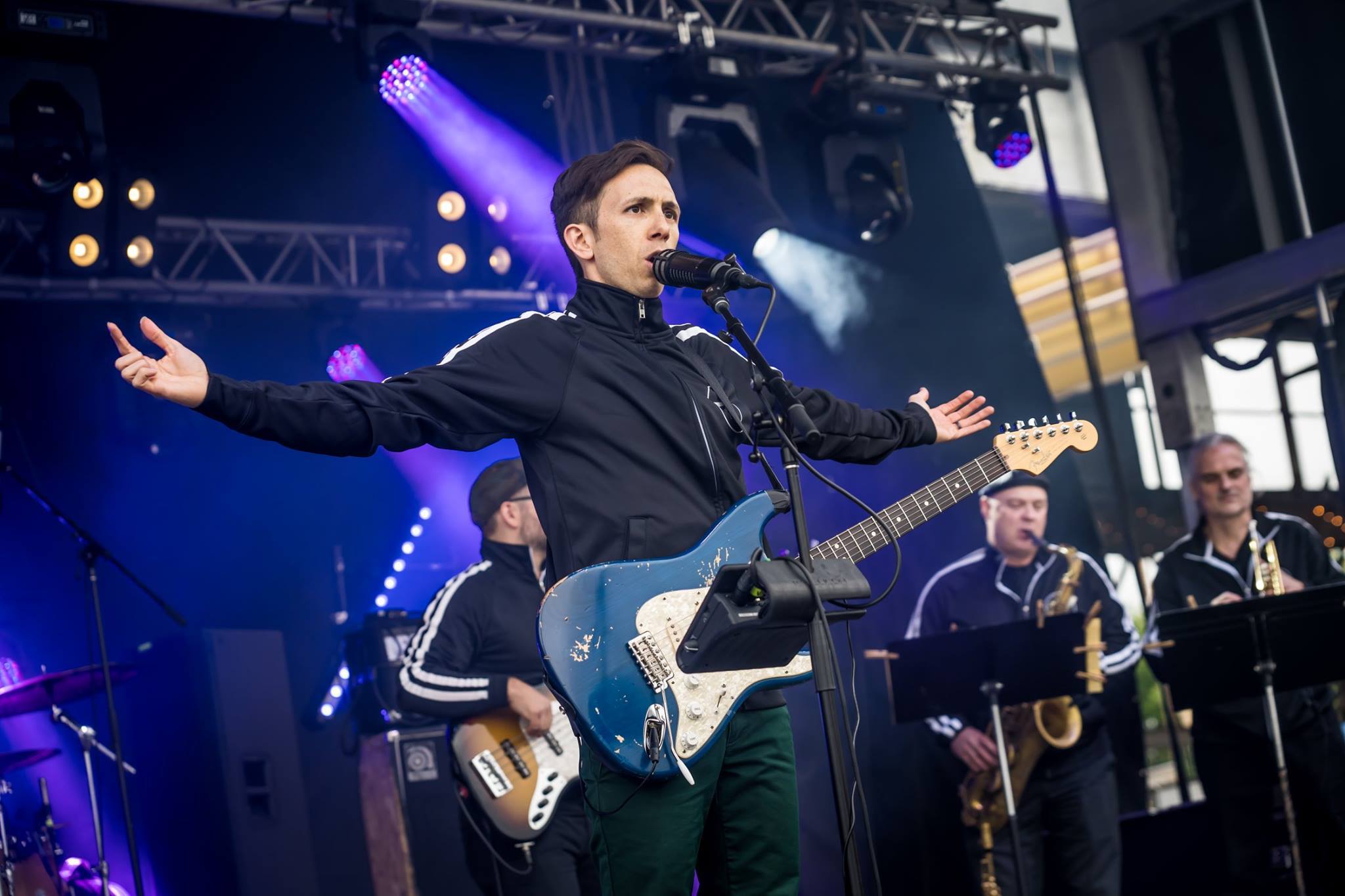

Cory Wong And The Green Screen Band
Interviews

Finger Picking Pro Cory Wong Talks Technique and Solo Albums Ahead of His Jammin Java Show

Karin McLaughlin: Cory thanks for the time.  What I want to do is talk a little bit about being a solo artist, Vulfpeck history and then I like to kind of get into just who you are as a person ​musically and kind of see where it goes. So without any further explanation - let’s give people who may not be familiar, or may not be as familiar with you as a solo artist, a background of kind of your musical history if you could.
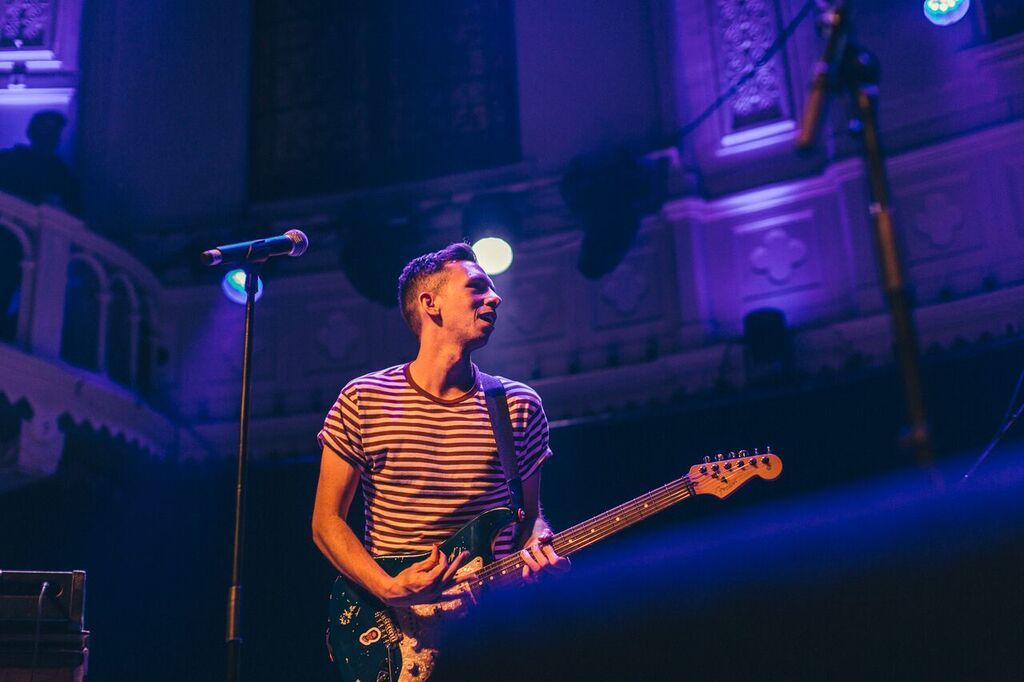
Cory Wong (Photo Credit: Dara Munis)2

Cory Wong (Photo Credit: Dara Munis)

Cory Wong: Yeah, so I am a guitar player who does guitar centered music. By that, I don’t mean Guitar Center music because Guitar Center music is like 'Sweet Child of Mine' and "Back in Black', stuff that you would hear in Guitar Center.  (laughs).  I mean guitar centric music, that’s the right phrase.  I have been playing in the band Vulfpeck for the last several years and doing the funk and r&b thing. That is more of a band project - we do a lot of funk stuff, some stuff is with singers, some stuff is with other collaborators – but with my solo project, it's very similar to Vulfpeck, except for it’s me as the lead voice throughout the majority of the songs.  ​Whether that be me on guitar and as a writer, or also working with other collaborators​, but having to do with the writing and producing all of my own records. So some of the stuff feels or sounds like Vulfpeck records but it's just more centered around me, I guess.

KM: Got it. And I also want to touch a little bit on your musical upbringing, because I read about you attending McNally Smith College of Music and what you started out hoping to go to school for and what you came out, kind of, as your end product or goal and how you switched gears while you were in that situation.
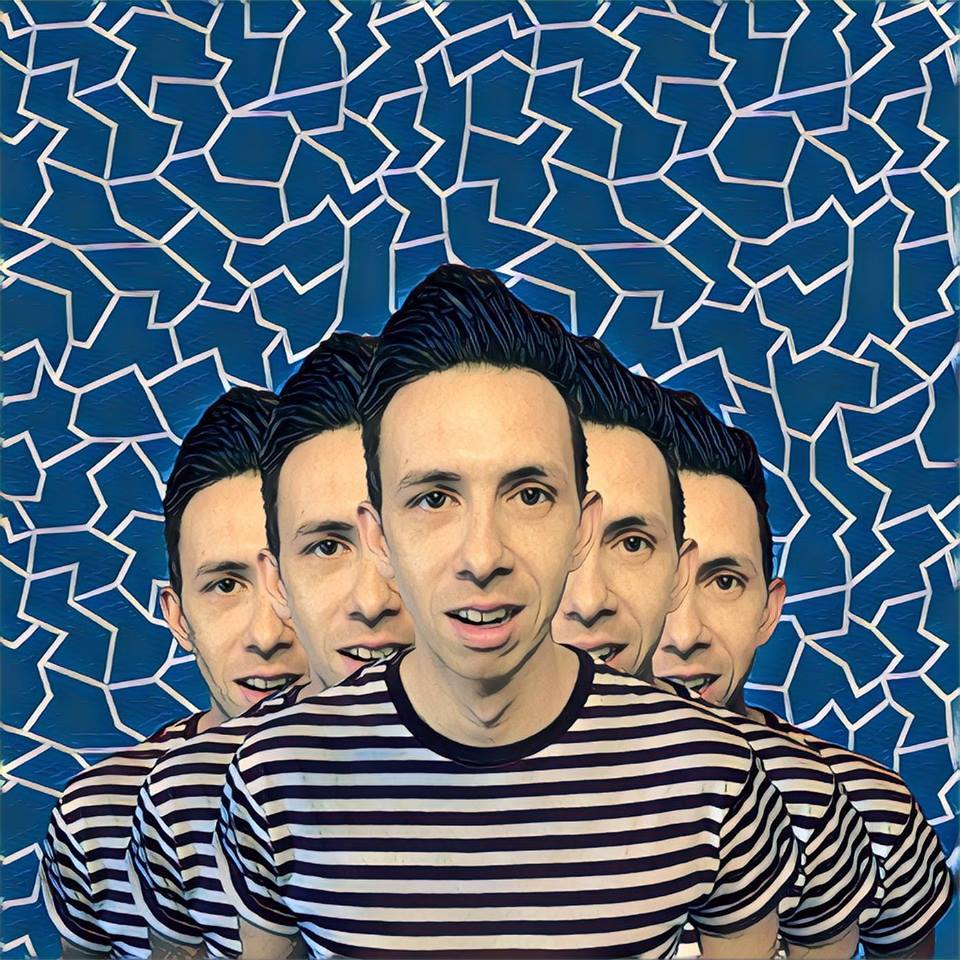
Cory Wong

The many faces of Cory Wong (Courtesy: Cory Wong's Facebook Page)

CW: Sure.  Well, when I first started Music College, it was one of those things where right away, I just took the leap and I went in for it. I went in for it committing that music was going to be my life and my career, knowing that it was my calling and passion in life - what I was supposed to be doing and am supposed to be doing. That being said, I didn't fully understand or have a fully realized vision of what that was. So when I first started Music College, it was ‘I want to be the best musician that I can be right now and I want to be able to make a living as an artist’ that is, playing my guitar.  I didn't quite know how to do that other than, I learned that Broadway musicians make good money playing in a paid orchestra, I could make money teaching music, or I could make money recording on other people's records.  But I wasn't totally sure what it might look like for me to be an artist myself and what that might look like for me to be a part of a band that got successful like Vulfpeck.  It wasn't until after college that I really started to discover my own voice as my instrument or discover my voice as a writer.  Of course, I've been developing that and working on that, honing in on my craft.  What I wasn’t as certain of was how to hone my voice as an artist and who I am musically and what I want to share with the world beyond just the music.   The main thing for me is, what am I trying to point my light to with my music?  Over the last several years, it's just been finding that it's about joy and positive energy and a positive outlook on life.  That sort of thing really helped guide me in my artistic voice on how to help people to leave feeling great after they come to one of my shows, or, after they listen to my record, just feel like ‘Oh, wow, I feel really good’ or ‘That makes me happy’, ‘Something about that music brings positivity to me’.  To me, that's been my thing, rather than when I was in college and it was all about how do I just hone my craft as a player. Now, I've been starting to develop my voice as an artist and my voice as a person and what I want to say through my music.

KM: Where along the way did you, either figure out or start picking up, this crazy ability that you have to finger pick with what seems like a rubber finger/wrist type deal?  I mean, I've never seen anything quite like it.  How did you either figure out that you could do it or start to do it and figure out you could be really, really good at it?  Where did that come along in your musical journey?
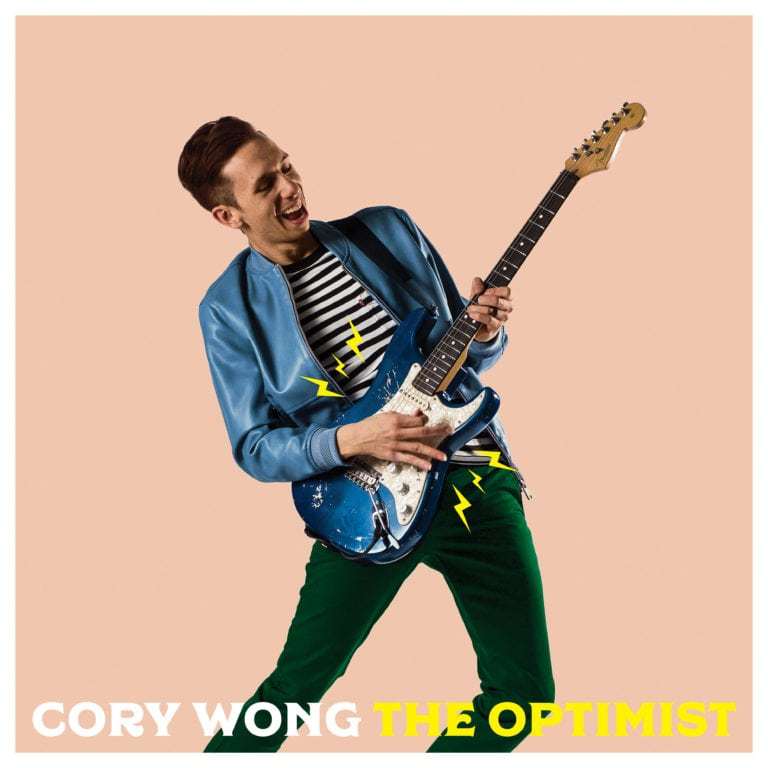
Cory Wong - The Optimist

The Optimist - Released August 17, 2018 - Click Image to Pre-Order the album.

CW: That’s actually kind of a funny thing because when I was in college my teachers all told me my right hand technique was horrible (laughs).  And by technical standards, my right hand technique is not amazing.  You learn the by the book way to play the guitar and ‘hold the pick with your finger bent’ and ‘make sure the pick is at this angle’.  I break all those rules with the way that I play.  I spent years trying to play the “right way” but it just never felt right.  I would practice for hours and wonder, ‘Why is this so painful?’  I mean, not painful, painful but just ‘Why does this not feel natural?’  I could play like this and I can do it the “correct way” or whatever you want to call it, and I can play great that way - or I can play convincingly that way I should say - it sounds fine, but when I play and I listened back, it doesn't feel like what I'm really trying to say, it doesn't really feel like me.  When I listen to myself playing with some weird technique that I learned and that I really had to practice, it sounds contrived.  What I ended up realizing was, you know what, screw it!  I'm going to play the way that feels most natural to me.  The way that just feels like, when I listen back, that’s what I want to sound like.  To be honest, it was maybe like three years ago, four years ago, when I finally started to have that revelation and allowed myself - I gave myself permission and license or whatever want to call it - to play the way that I play. What I noticed was that, not only was it moving me more while I was playing that way, but other people were more moved by my playing when I just played like me, and when I sounded like me, when I just played the way that came natural to me.  It was fun - the hero's journey (laughs) of guitar technique to discover, ‘Wow, don't try to force it, just do what feels good to you’.  Of course, you have to challenge yourself and make yourself more vulnerable by taking risks and chances, but do it in a way that feels right to you. And I guess I'm speaking to you right now but I'm talking to myself (laughs) in my inner conversations.  It's just, I’ve been around the horn on that journey and finally it's freeing that now, that’s the thing that people talk about when it comes to me is the right hand technique.   Like, ‘Whoa this guy's got the most insane right hand technique’ or ‘He's ​the best rhythm guitarist with the best right hand technique in funk right now’.  It makes me think, ‘Whoa! I can’t believe people are saying that!’

KM: Have you ever gone back to your teachers and said, ‘Ha ha, see what I did?!’ (laughs)

​CW: (laughs) Yeah, it’s just weird -my technique is so unorthodox, but it feels so natural and it just sounds like me when I do it, I don't know.

KM: Another thing that you do, not only with the unique finger picking type of technique, is you also bring a different kind of guitar to the forefront of the stage where mainly when we see a lead guitar, it's played very differently.  How did you kind of figure out that that was going to work well with Vulfpeck, you know, as a sound and as just as a band.  Having them, not necessarily allow you to, but letting you shine in that way?  Is that something that came up very early and you were like, ‘This is how I do it’?  Or did it develop over time and then other members were like ‘Yeah, dude, keep rockin that!’

CW: To be honest, it's still developing and it will always be developing.  So I feel like ​I’ve landed in the realm, on the right planet of what I'm supposed to be doing.  Really with Vulfpeck, it has to do with Jack (Stratton) as a producer, bandleader and visionary.  He really is the one who encouraged me and saw and was able to pinpoint what was unique about my playing and really help nurture that part of who I am as a musician.  He's has an incredible visionary and a total producer/bandleader mindset of that sort of thing.  It's kind of funny because Joe Dart is lead instrument, the bass is the lead instrument.  To me, he's the star of the show, let there be no question about it and rightfully so, because he's incredibly talented.  Also because of that, I think Jack ​saw the way that I play as something that would fit with that contrastingly and also very effectively.  The bass is the main riff and something that people will sing along to, and the guitar, in the way that I play it, can play a really interesting and cool role to compliment it and to also add to it, rather than just play the same thing as him.  It's finding different parts and orchestrating it.  Jack is able to orchestrate the way that each of us play to really make something effective and really cool to play. 

KM: So, you've actually are already done two albums as a solo artist, right? With the third coming out next Friday?

CW: Yes, on the 17th.

KM: So how is this third album different from the other two? If at all?
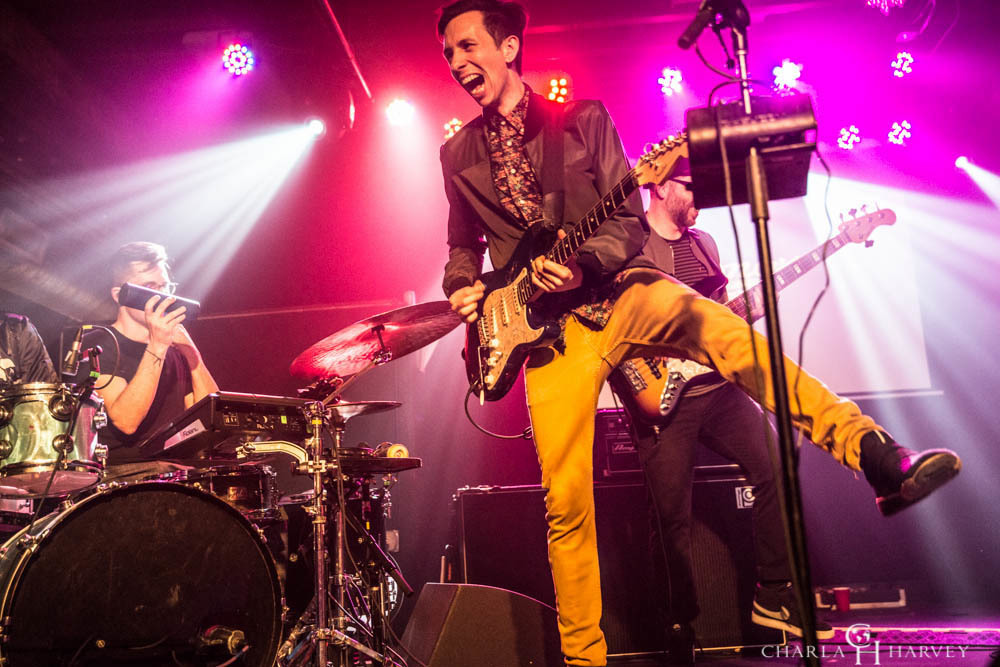
Cory Wong (Photo Credit: Charla Harvey)

Cory Wong (Photo Credit: Charla Harvey)

CW: I think it's different because, like I said, I'm continually evolving and changing and growing as an artist and as a person.  With this record, I focus a lot more on - well, it's called The Opposite and just really sharing that message and just​ the fun and the energy, which of course, I do in my other records, but with this one it's just has a little bit of a lighter, fun feel to it.  Also, my approach to writing was a little bit different on it to where it was a little more about instincts.  A lot of my other records, it was go in the studio for, you know, two straight weeks and just track stuff.  With this, it was well, Vulfpeck’s not on tour for the next three weeks, I just got home - there was something about that.  Sometimes people will get really tired after being on the road for three weeks and being gone, working forever.  For me, I got really energized and I got a lot of energy and creative juice from those tours and those recording sessions when I got home, I just decided, ‘Hey, I'm going to do a recording session this week for a new record.’ ‘Do you have any material?’  ‘Well, not really, but I do have a bunch of voice memos from little song ideas that I started on the road.  I'll just take those and develop them a little bit.  Let's call it Thursday, we'll go into the studio and record.’ (laughs)  What ended up happening was, I got a lot more of my instincts as a writer, and a producer, and a lot more instincts from the musicians that I collaborated with for these songs that turned out to have a really great energy and a really fun vibe to it.  

KM: You've done solo projects, you've done band projects - besides what you mentioned earlier, where you're obviously the lead vocals on the solo album -what is it that you do as a solo artist that you don't really get to do when you're performing with other people?

CW: Well, as a solo artist, the good and the bad are kind of the same thing and that’s you get to make the decisions and have the responsibility.  The good part about that is, I get my artistic vision, of course, with input and collaboration for my friends, but really, my personal vision for a musical statement that I want to make, or some message that I want to share through my stuff as the main thing rather than like a band thing, which is the combined efforts.  That’s great, but with mine, it’s more guitar centric, music.  It's also all songs that I wrote.  Music that I put together.  I produced the record.   Then again, like I said, the other side of the coin, is that the responsibility is all on me.  I assume all the risk and take the chances and if the show falls flat on its face, it’s me that has to deal with that or work with that.

KM: There's nobody else to blame (laughs)
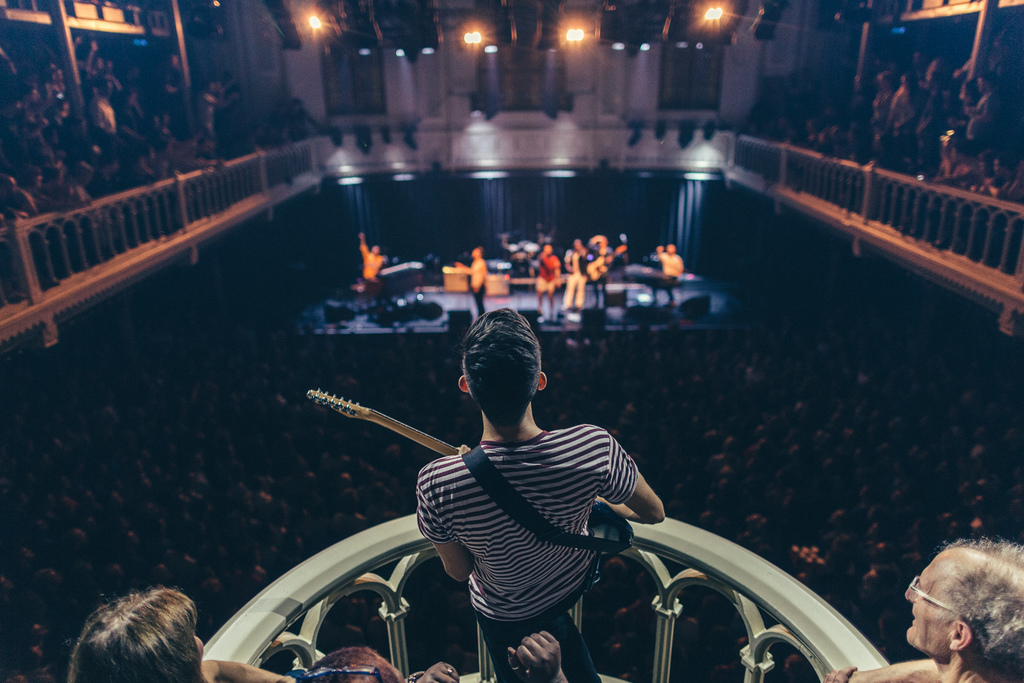
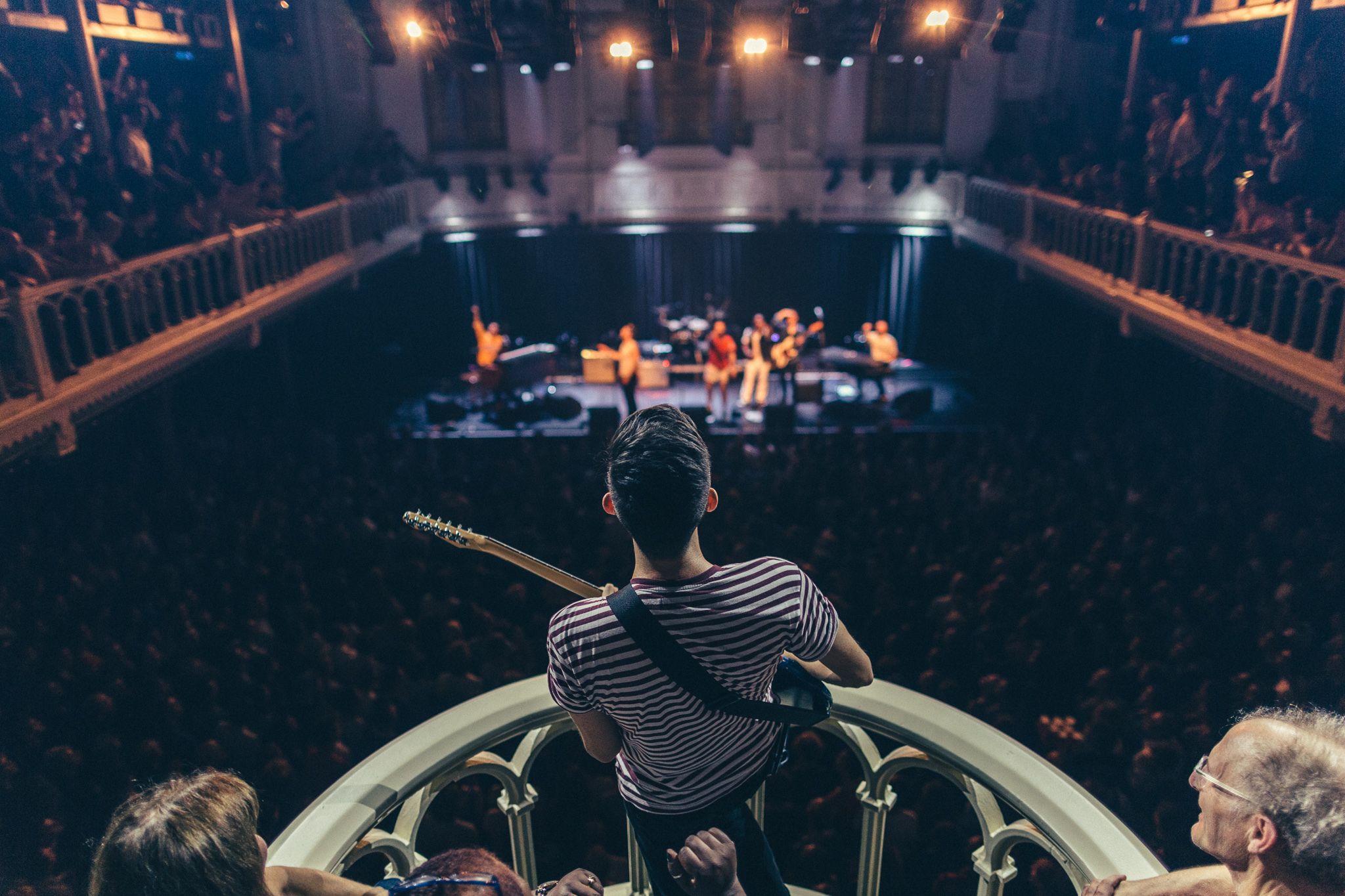
Corey Wong with Vulfpeck at the Paradiso, Amsterdam. (Photo: Dara Munnis)

Corey Wong with Vulfpeck at the Paradiso, Amsterdam. (Photo: Dara Munnis)

CW: Right, which is totally fine.  I love that.  I love excitement and I love the risk taking that it brings me.  I don't like to have things too planned out because again, then it feels contrived.  So I have a pretty good outline of what I do for my shows, but I love to be able to feel the energy of the room and of the music and the players that are happening in that moment to really bring something special and unique to each show. 

KM: How did you originally hook up with Vulfpeck?

CW: I'm the only person in the group that did not go to University of Michigan.  Those guys all met at University of Michigan and they came and saw one of my bands that I was playing with in Minneapolis when they were in town and came up and introduced themselves, we became friends, we started jamming together.  That was maybe five years ago and ​within a year we were just we became really close friends.

KM: So it started very natural.

CW: Yeah, it’s funny.  It definitely feels and felt natural, the friendship.   I mean, I think maybe that's what makes it work the most is that the friendship, it feels just as though we have a connection, a musical connection.  So yeah everything - the friendship felt very natural and the music felt very natural so it works.

KM:Yeah and you guys have a great onstage dynamic.  A bunch of friends and I went to Sweetwater 420fest and we got to see you guys.  There were a couple of people I was with that had never seen Vulfpeck - you know, had heard maybe a song or two but not really seen you guys live and everyone left that show - I even heard random people as we were walking by talking about how much you guys killed it and how much fun it was to see you perform.  It was like just kind of a party.  You guys kind of make a party on stage and then bring everyone in the audience into it, so the dynamic is incredible that you guys have.  I mean, as you said, they were together in college, or met in college, but then how you joined in and just kind of melded right in there.
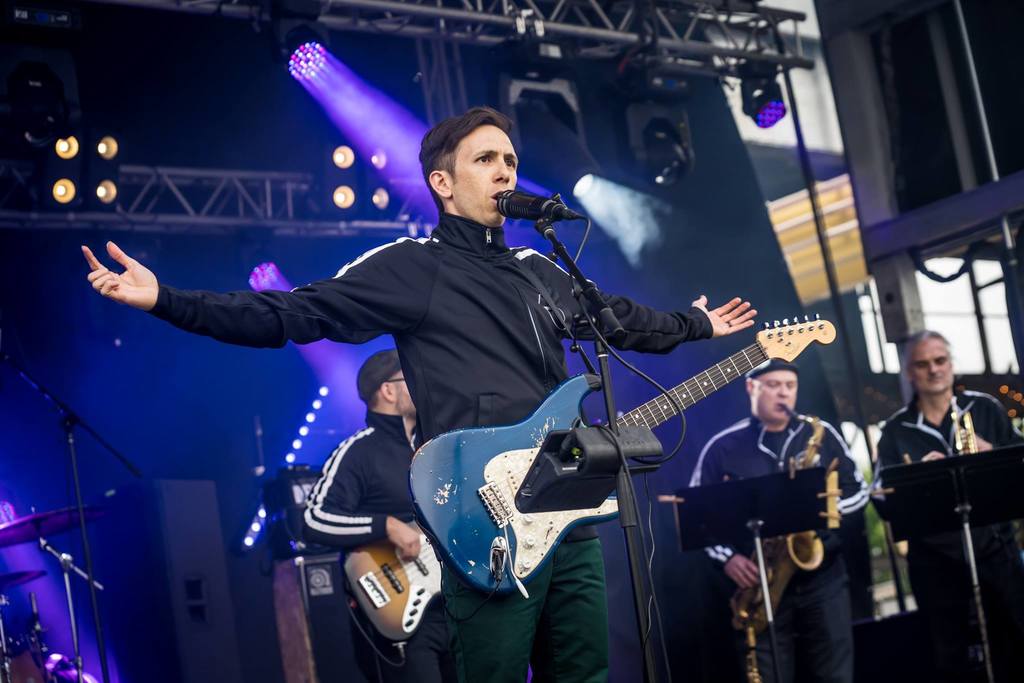
Cory Wong (Photo Credit: Tim McG)

Cory Wong (Photo Credit: Tim McG)

CW: Yeah and that’s totally it, you nailed it.  It’s just a fun party and we try to bring everybody along for the ride because that's what we enjoy out of being at concerts too.  With my solo shows it’s very similar, but there's also a lot of parts of it that are very different, like the way that I execute the fun.  Having a good time and involving everybody looks a little different than the way it looks with how Vulfpeck does it or Theo (Katzman) with his solo shows or Joey (Dart) and his solo shows.  It’s fun and we’re all, obviously coming from the same circles, but whenever we do our solo shows we all approach it in a little bit of a different way which is fun.

KM: So you are doing the solo tour, and you’re actually going to be starting the tour before the album comes out.  So how are you planning to celebrate next Friday when the album drops?

CW: Well, we’re going to be celebrating it on tour.  Actually, the people at Jammin Java are gonna be the first people to be able to get the vinyl records, because I have a handful left.  I sold pretty much all of them through my pre order which is up for about another week.  So if there's any left, the first people who will get them are people who come to the first show of the tour.  So we’ll just celebrate basically all week by being on the road, hanging with my buddies, playing music, playing songs from the new record and stuff from other records.  There’s some other special guests that will be coming up and some nice surprises that people will enjoy.  Yeah, I'll leave it at that. 

KM: So, Cory, my last question is one I like to ask everybody, just to kind of, as I said in the beginning, to feel you out kind of as an artist and a music fan and a person in general.  The music bucket list -is there anything on it that you have that you're trying to get crossed off maybe in the rest of 2018? 

CW: That’s funny that you ask that because I just put out a video that's like three of my vulnerable goals that are kind of funny that I'd like to pull off at some point.  One of them is collaborating with blues jazz saxophonist Dave Koz.  It’s funny because we’re totally in different scenes, but at the same time, if you look at the original smooth jazz genre with like George Benson, Grover Washington, all these guys, the spirit and feel of it is very similar to the Vulfpecks and the Snarky Puppys of today.  It’s kind of interesting that ​the smooth jazz genre in general is kind of turned into something that's less than desirable for a lot of people my age and different other millennials.  At the same time it's a genre that could be really fun to revitalize.   I just thought like, ‘Wow, it'd be really cool to kind of add a new face ​to the funk and smooth jazz'.   I mean smooth jazz is just instrumental r&b and funk, that's really all that it is.  We just had a different name and in the last decade it has turned into something that like I said, doesn't seem very appealing to a lot of other millennials, like myself, but could be really fun if ​there were just ​a young energy and a different thing to it.  So I’m kind of exploring that (laughs).  I don't know, I'm not trying to be a smooth jazz artist, but it would be fun to collaborate with those guys because there's so many great players in that world.  There's so much that the audience loves about music and just has a good time listening to music and that's very appealing to me.  In a certain way, Vulfpeck is doing that sort of thing like George Benson and Grover Washington were doing during the origination of smooth jazz.  I don't know, there’s something in there, some creative energy brewing within me, that I'm rolling right now with that.

KM: Ok, well, we'll keep our ears out for something along those lines. All right, well, Cory I wanna thank you so much for taking the time and look forward to the show on Tuesday at Jammin Java!

CW: Awesome. Thank you. Enjoy the rest of your day. All right.


To learn more about Cory Wong, please see his website or Facebook page.


Don't forget, Cory Wong will be performing at Jammin Java Tuesday, August 14, 2018. Be sure to see his performance.

Tuesday, August, 14, 2018

Doors: 7:00 PM

Show: 8:0x0 PM​


Jammin Java (http://www.jamminjava.com/)

227 Maple Avenue East

Vienna, VA 22180

(Google Maps Link)


$15  - General Admission

$25  - Premier Plus 
Read More
Angelique Kidjo performs at Wolf Trap
Concert Reviews

Afrobeat, Positivity, and The Talking Heads Music Visit Wolf Trap

There are many things I’ve heard go well together, but have yet to try – melon with salt, peanut butter and marshmallow fluff – but Afrobeat and Talking Heads?  Well this was one I wasn’t going to have to see for myself!  Tuesday night, August 7th, Wolf Trap welcomed Angelique Kidjo, three-time Grammy award winner and ‘one of the greatest artists in international music today’.  Also with her was opener Femi Kuti and the Positive Force and the name is no understatement.  Both artists brought messages of positivity along with an urgency for change on how we treat each other and mother Earth.  The crowd gathered on a summer night which Kidjo said made her feel right at home with the heat and humidity, reminding her of her homeland Africa.

Kuti took the stage first with an energetic horns section and vibrantly dressed dancers that doubled as backup singers.  With the feel of a church revival, sound somewhat of a New Orleans brass band, and Kuti showing off his incredible breath control and lung capacity on the saxophone, there was no way you were getting out of this without being thoroughly impressed and moved.  While oftentimes taking role of conductor as well as self-proclaimed pilot on ‘Afrobeat Airways’, Kuti promised the audience he would ‘land you safely’ but to please be sure to also fasten your seatbelts. 

Femi’s latest album One People, One World is truly something that should be on the prescription pad for every American feeling the hopelessness as they watch the news and tragedy of the world today.  Stopping countless times to talk to the audience and tell them that the problems of the world are indeed our problems as well, and singing lyrics that don’t let you forget that point, he inspired many in the audience to shout in agreement as he deemed it our duty to teach the next generation to do better. 

Femi Kuto

“When you see what is going on in the world today,
You will agree that poverty is winning the game.
More people are suffering
More people are very poor.
The suffering people can’t take anymore”.

- "Femi Kuti"  at Wolf Trap on August 7, 2018

Kuti kept his energy high and message strong throughout the performance as he shared tracks old and new that surely made people stop and think about the political climate as well as celebrate the night together.  The dancers never stopped moving despite a quite sticky night and Kuti never let his enthusiasm dwindle.

After a short intermission, Angelique Kidjo took the stage beautifully dressed and supported by a strong band with a variety of drums.  She too spoke of the importance to treat each other and Mother Earth better through lyrics and between songs emphasizing that this is all we have and we must do better.  After shedding her jacket and head, wrap she moved across the stage with the footwork of James Brown often times and her energy never quit.  Learning from her time as a goodwill ambassador, she emphasized the fact that ‘the complacency and silence is killing us’. 

“In Africa, when you hear the drum, you get up on your feet and move!”

- "Angelique Kidjo"  at Wolf Trap on August 7, 2018

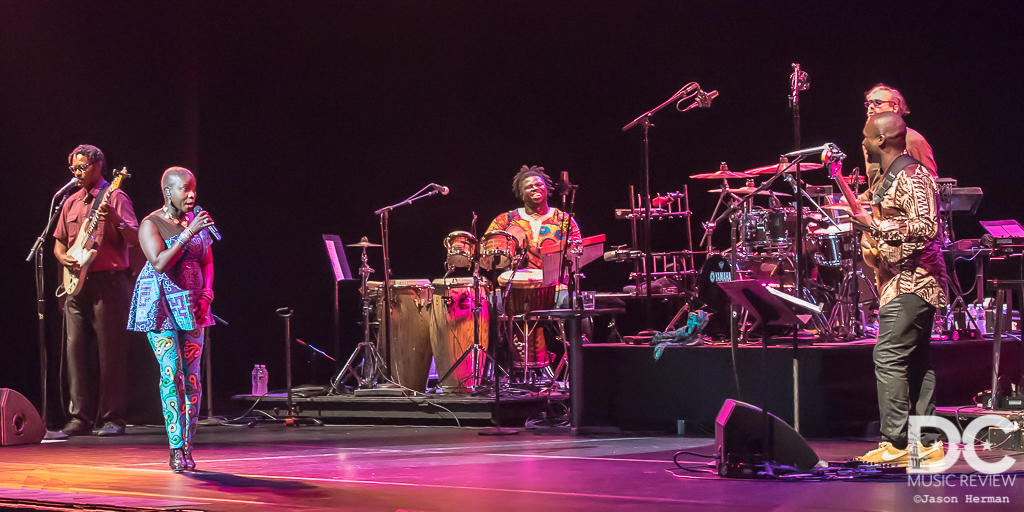
Angelique Kidjo performs at Wolf Trap

“In Africa, when you hear the drum, you get up on your feet and move!” was a warning and a suggestion that everyone in the audience heeded.  Kidjo remained incredibly connected to her audience and during her feel good, encouraging hit, Mama Africa, soul trained her way off the stage and through the entirety of the pavilion as everyone clapped and sang along.  Hugging and shaking hands with dozens of fans, Angelique also seemed to invoke a feeling of wanting and needing to restore the good things that have recently turned sour.  Able to keep the crowd on their feet for much of the show projecting a strength onstage that was quite admirable and motherly, it was as if her words and message were going to make everything alright just because she said so.   Wanting even more interaction with her audience, Kidjo asked for 20 people to join her onstage and share a dance break.   Literally jumping at the opportunity, ​the stage was soon flooded with​ eager participants wearing smiles and many with beautifully bright dashikis, kaftans and headties​.  The combination of colorful clothing and range of young, old, black, brown, white, skilled dancers and people with no rhythm, looked beautiful onstage as Angelique brought one after another front and center to dance with her.  Those who remained in the audience clapped and smiled along realizing that she had succeed in her mission to bring people together with music and carry on Femi's wish of one people, one world.

Towards the end of the show, as you heard, “And you may find yourself, living in a shotgun shack.  And you may find yourself, in another part of the world” the words “Once in a Lifetime” evolved into something that was more a motto than a title of the Talking Heads hit.  We need to do better, we need to take care of each other, we need to be kind and care about the problems of the world and most importantly, when you hear that two things go well together, give them a try – you might be surprised!

Enjoy photos by our photographer Jason Herman of Jason Herman Photography.

Angelique Kidjo
Femi Kuti and the Positive Force

Associated Recordings
Read More
Kenny Wayne Shepherd at Rams Head On Stage
Concert Reviews

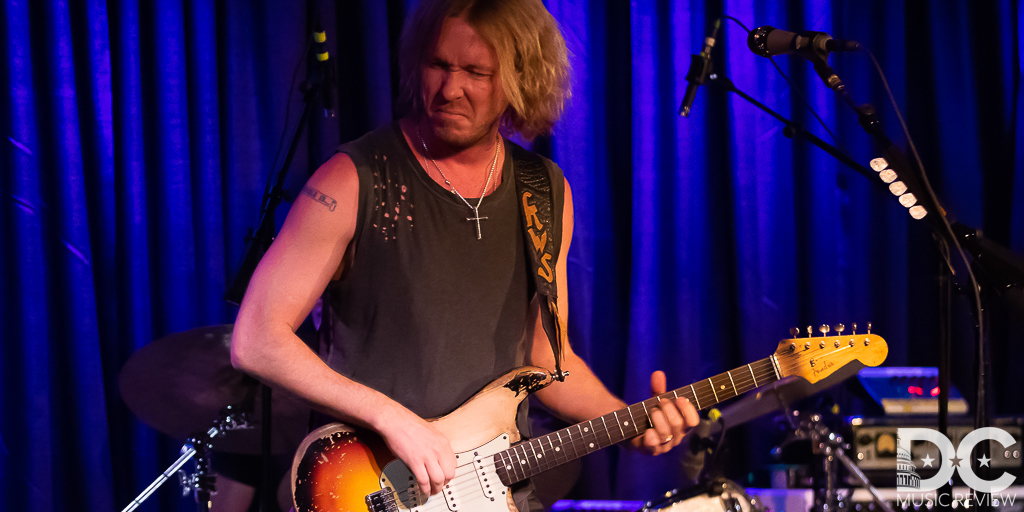
Kenny Wayne Shepherd Band at the Rams Head Onstage in Annapolis on July 29

The Kenny Wayne Shepherd Band brought their guitar-driven blues-rock to the Rams Head On Stage in Annapolis on July 29 & 30, for a two-night run of memorable performances. 

Kenny Wayne Shepherd

Kenny Wayne Shepherd

Kenny Wayne Shepherd

Kenny Wayne Shepherd

The Kenny Wayne Shepherd Band tore into the blues music scene back in 1995 with the release of Ledbetter Heights. With the immediate success of his album, Kenny Wayne began his musical journey that has led him down many different roads playing and recording with a variety of artists and musical influences. Kenny started playing guitar at a very early age and has always kept a strong foundation in the blues.

Backed by an incredibly talented band, Noah Hunt has been singing with Kenny since the 1997 release of Trouble Is, which features the band’s signature song “Blue on Black.” Chris Layton, from Stevie Ray Vaughn’s Double Trouble, is playing the drums, veteran piano and Hammond player from New Orleans, Joe Krown, and Scott Nelson from Austin, TX helping keep the rhythm on the bass.

From the opening notes of “In 2 Deep” on Sunday evening, this band presented a very focused purpose - to tear the roof off the house. While providing the audience an excellent night of live music, every song, whether it was a rock driven version of “Baby Got Gone,” or a slow, intricate love induced “Hard Lesson Learned,” brought a vibe that was entwined between the musicians and the audience all evening long.

Having played this year’s Chesapeake Bay Blues Festival in Annapolis back in May, this is a return to the area that the band seemingly looks forward to. Kenny said that the band only does several small venue intimate showings throughout the country and that the Rams Head On Stage is one of them. And it’s understandable why - because this venue has such a close-up, intimate feeling that provides such a cool experience for not only the fans but for the band as well.

Kenny and his band played five songs off of their most recent release Lay It On Down (2017). This is such a strong album bringing with it many different musical influences and styles that is engaging all the way through. It’s cool to hear such a variety of blues-influenced rock and boogie that continues to push boundaries all the while staying fresh within the scene.

It was enlightening how Hunt and Shepherd traded off lead vocals for the evening. It’s interesting because you can almost sense that a song has a certain sound for Hunt to sing and the same thing for Kenny Wayne; bottom line being that both of these guys have the talent to spare. Kenny definitely shined while leading a great Texas-style blues song called “Down For Love.” There was plenty of time over the course of the evening for Kenny to let his guitar skills amaze the crowd just because he is that good. But of course, he can’t do it by himself and his band was definitely right there with him.

Kenny Wayne Shepherd Band


“Heat of the Sun” was a very intense, jaw-dropping jam which was reminiscent of some classic Robin Trower style songs. From the opening guitar solo, it wasn’t long before that great Hammond sound joined in with the acoustic guitar that led this song into several realms of musical exploration. Such a simple guiding guitar riff ends up ascending towards Fender heaven as Kenny Wayne just lights up his favorite 1961 Stratocaster. This song starts out very mellow, very lightly detailed but winds up just roaring into such a stellar performance by Kenny Wayne that this song got a well-deserved standing ovation from the audience who were just blown away.

Not shying away from his roots and beginnings, Kenny Wayne shared the song that introduced his band to the world, “Deja Voodoo.” This song offers the classic Kenny Wayne Shepherd sound that we have been enjoying for well over 20 years now. And as previously mentioned, the band likes to stay rooted in the blues. Noah asks who is ready for a blues song and offers up his interpretation of the blues, how the music is for everybody, young or old, man or woman, black or white. “Let me step aside and let these boys play the blues,” he said, and that’s exactly what transpired with the 2014 song “You Done Lost Your Good Thing Now.”

The Kenny Wayne Shepherd band doesn't show up with many gimmicks, they show up to play. They seem to enjoy highlighting the music and sharing their joys and passion in life through their style and interpretation of the musical genre they have been pouring their hearts into for so many years. Ending the show with “Blue on Black” and into Jimi Hendrix’s “Voodoo Child (Slight Return),” the Kenny Wayne Shepherd Band brought the house to its feet and hollering for more. Lucky for some fans, there would be a second night of music on Monday, but for those who were only able to share this one night, believe me, it was a glorious night to see this caliber of musicians in this close-up and intimate environment.
Photo Gallery

Photo Gallery

Photo Gallery


Enjoy photos by our collaborator Dave Roberts.

Additional Resources

Additional Resources

Additional

Resources


To learn more about Kenny Wayne Shepherd or know where and when he and his band are performing next, please see his Website or Facebook Page.

Read More
Concert Reviews

Cris Jacobs and Friends Return to Gypsy Sally’s to Celebrate Jerry Garcia

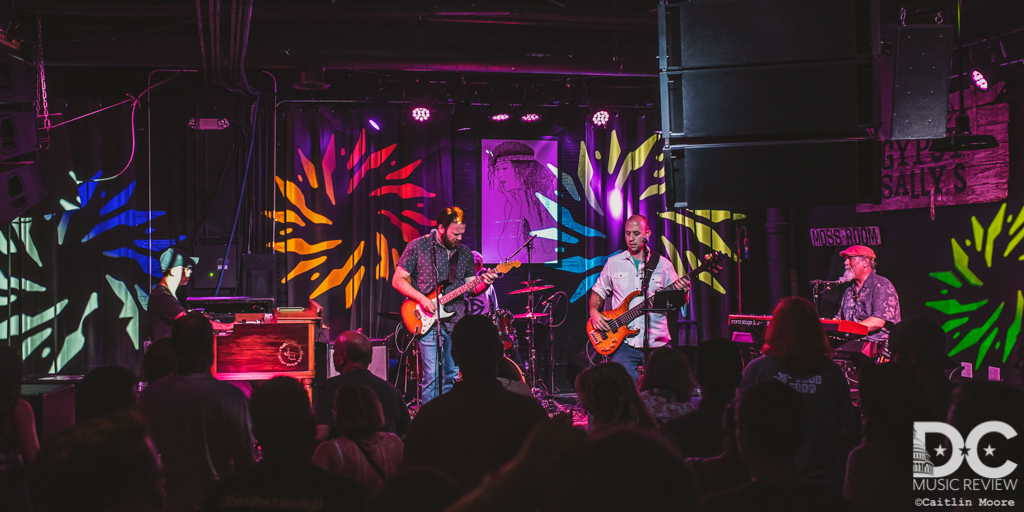
Baltimore favorite Cris Jacobs and Friends returned to Gypsy Sally's to pay tribute to Jerry Garcia during the 2018 Days Between on Thursday, August 2. The evening proved to be a joyous occasion, with many of the patrons having attended previous episodes of Jacob's special tribute to the late Grateful Dead guitarist. This time, he brought along a powerful band including Mookie Siegel (keys, vocals), David Markowitz (bass, vocals), Ed Hough (drums) and John Ginty (organ) .

The first set focused on Garcia's work with the Dead, beginning with the classic 'Bertha' opener followed by a heartfelt 'Mississippi Half-Step Uptown Tdodeloo.' The band's impressive vocal harmonies were on display during 'Brown Eyed Women,' with the Gypsy Sally's crowd engaging in a raucous singalong. The band was rocking early as Jacobs shone on Johnny Cash's 'Big River' with some impressive guitar licks before slowing the pace for a tasteful Althea. The crowd-pleaser combination of 'Help On the Way' > 'Slipknot' led to a  bouncy 'Crazy Fingers.' The set closed with Chuck Berry's 'Promised Land,' pleasing the crowd before the break.

Set II began with an extended 'Eyes of the World' before a powerful 'Mission in the Rain,' and a turn to several tunes from the Jerry Garcia Band playbook. The following trio of 'Don't Let Go,' 'Evangeline' and 'Standing On the Moon' covered the spectrum of sound and emotion and the crowd was feeling it. 'Scarlet' > 'Fire' followed as smiles flowed throughout the room, the band included. A funky 'Shakedown Street' closed the second set before a rousing encore call that had Jacobs thanking all in attendance. The band closed with 'Going Down the Road Feeling Bad,' but Cris Jacobs and Friends ensured that dedicated Deadheads left with nothing left to do but smile. 

Setlist

Setlist

Setlist


Click here to see the setlist for Cris Jacobs and Friends performance at Gypsy Sally's  on August 2, 2018. 

Enjoy photos by our photographers Josh Brick  of Josh Brick Graphics and Caitlin Moore  of Caitlin Moore Photography.

Read More
Campdogzz - (Photo Courtesy of Stephanie Bassos)
Concert News

Campdogzz Return To DC On Headlining Tour In Support of New Album ‘In Rounds’

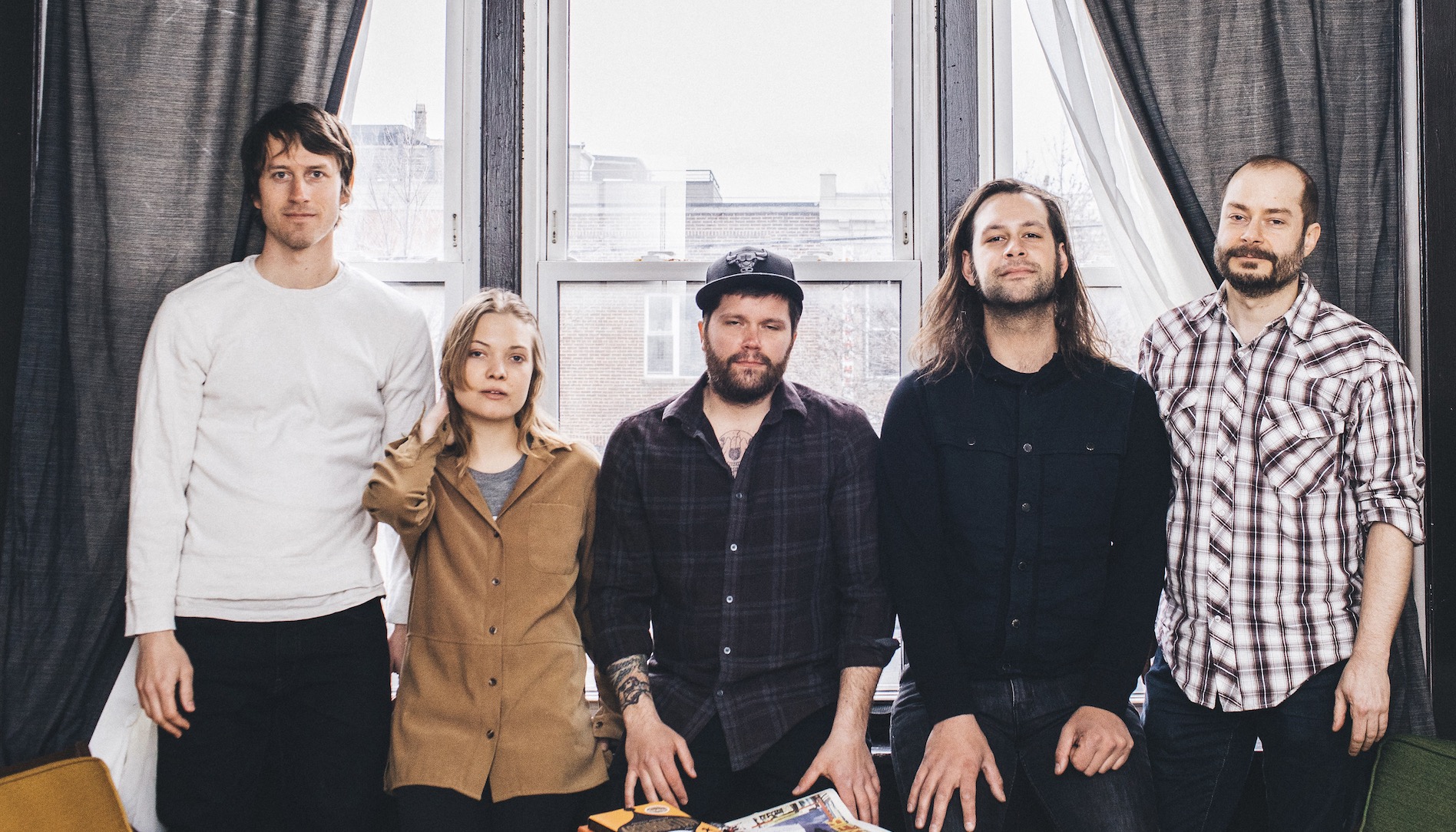
Chicago’s Campdogzz are back in the District, this time headlining their own show. DC Music Review previously had the pleasure to cover the five-piece band when they opened for Field Report at Songbyrd back in April.

But with a new album under their belt — In Rounds — Campdogzz has a kickass arsenal of fresh tunes to jam out to. With a voice that is electric and sharp, yet still ethereal and serene, Jess Price leads the band in nostalgic feeling tracks that are perfect to accompany a road trip on a crisp fall day. Price’s voice is gritty, and soulful, and when she sings, you can feel the weight and significance of her lyrics.

Campdogzz dances on the border of folk and rock, an eclectic appeal that caters to a wide-range of listeners. In Rounds, released earlier this month, feels different from Campdogzz 2015 debut album. The tracks feel edgier, more defiant, signaling a shift of sorts. With this sort of growth in the past three years, Campdogzz appears to be on a positive trajectory.

Campdogzz takes on DC9 this upcoming Friday with Keeper opening.


Friday, August 10, 2018

Doors: 7:30 PM

Show: 8:00 PM​


DC9  (https://www.dc9.club/)

1940 9th St NW

Washington DC 20001 (Google Maps Link)


$10  - In Advance

$12  - Day of Performance


Read More
Twiddle performs at the 9:30 Club in 2017
Concert News

Twiddle Announces 2-Day Halloween Run at the 9:30 Club

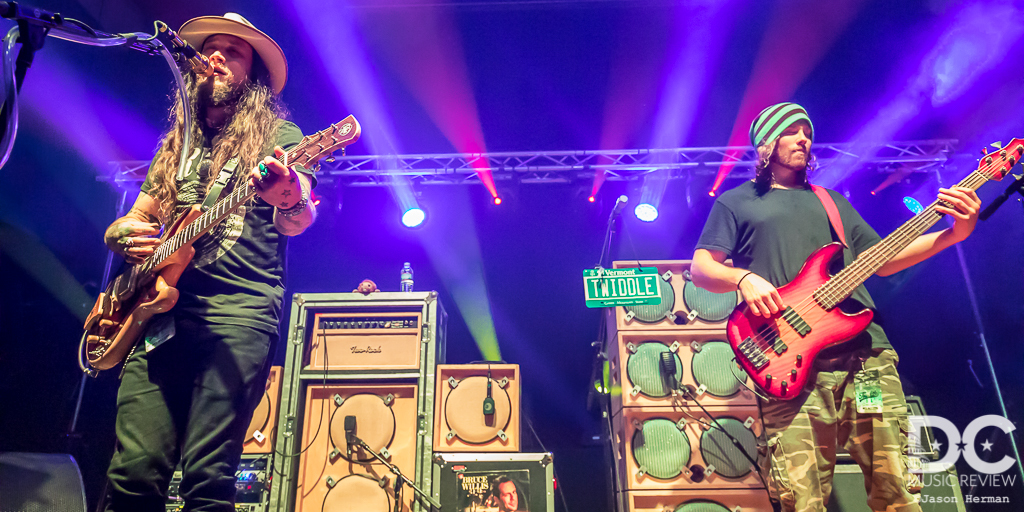
Vermont jam-band Twiddle announced a two-night run at the 9:30 Club in Washington, DC on October 26th and 27th. Twiddle has performed at this historic venue twice before, once in 2016 and again the following year.

Twiddle 9:30 Club Concert Poster - Click for Full Size ImageConcert Announcement Poster (Courtesy of One Drop Designs)

They were just a few tickets short of selling out the 9:30 Club for their March 2017 show. Given their previous successes at the venue, they are more than prepared to perform their first two-night run in DC. This event is sure to sell out completely, as they’ve already sold through their VIP presales within days of the tickets going on sale.

Twiddle has been a mainstay of the jam-band scene for several years and has increasingly extended their fanbase as they’ve performed at venues and festivals all over the country. This talented group has shared the stage with notable performers including Page McConnell, Phil and Graham Lesh, Jeremy Schon, Brandon “Taz” Niederauer, Holly Bowling, Elliott Peck, Carl Gerhard, and Matisyahu among others.

Be sure to see Twiddle perform at the 9:30 Club where you can expect memorable jams including now famous "Gubb Dumps" by Zdenek Gubb, classical and exceptional piano solos by Ryan Dempsey as only norb can do, the steady and rhythms of Brook Jordan, and the unbelievable guitar playing of Mihali Savoulidis. 

It feels fitting that Twiddle's Saturday performance on Halloween weekend starts late, with doors opening at 10:30 p.m. Having seen this band perform on numerous  past occasions, DC Music Review can confirm that they perform best late into the evening. We have long assumed that this band was comprised of vampires who, like Dracula, have the most fun adventures in the wee hours of the night. 

We look forward to these four nocturnal Vermonters who will surely create memorable and unique jams during their double-header Halloween weekend in Washington DC! Don’t forget to bring your costume on Saturday night!


Enjoy photos by our photographer Jason Herman of Jason Herman Photography.


Friday, October 26, 2018

Opening Act: Bumpin' Uglies

Doors: 8:00 PM

Show: 9:00 PM​


9:30 Club (https://www.930.com/)

815 V Street NW

Washington, DC 20001

(Google Maps Link)


Saturday, October 27, 2018

Doors: 10:30 PM

​


​


Associated Recordings

Additional Resources

To learn more about Twiddle, please see their Website or Facebook Page.

Twiddle has established the following charitable organization to give back to the community and make the world a better place. You can learn more about the White Light Foundation below.  

Read More
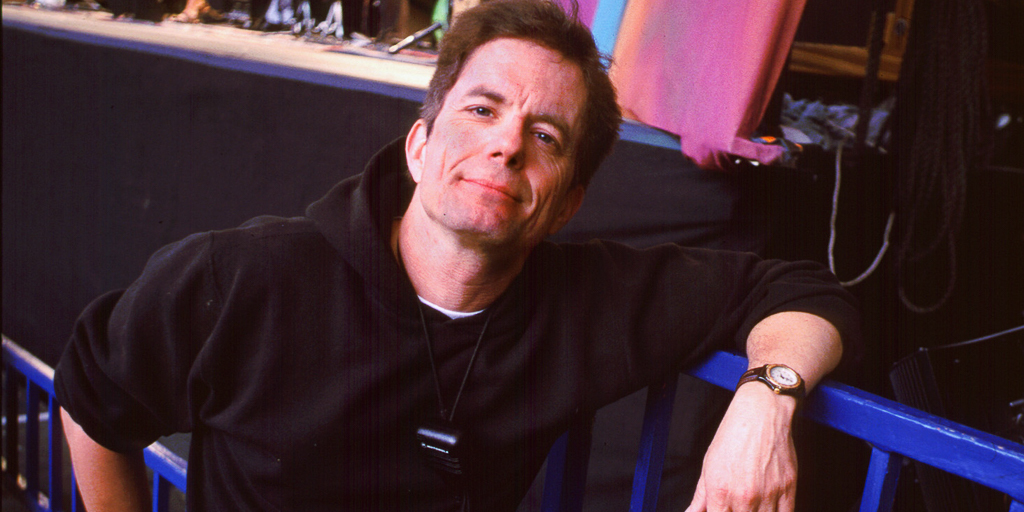
Dennis McNally (Photo Credit: Susana Millman)
Interviews

Dennis McNally Talks All About Times Past

​Dennis McNally, author of A Long Strange Trip and long time publicist for the Grateful Dead gave us a glimpse into how his relationship with the Dead began in the first of a two part interview prior to Jerry's birthday and the Days Between shows at The Hamilton.


Karin McLaughlin: Okay, so it's hard to find a starting point...

Dennis McNally: I am all over the place, aren’t I?

KM: ​So let's kind of give anyone who might be reading this interview a background if they aren't already aware - which is probably pretty hard, if they have enough of a piqued interest to be reading this - of who you are and what your history in regards to the music scene and specifically Grateful Dead is.

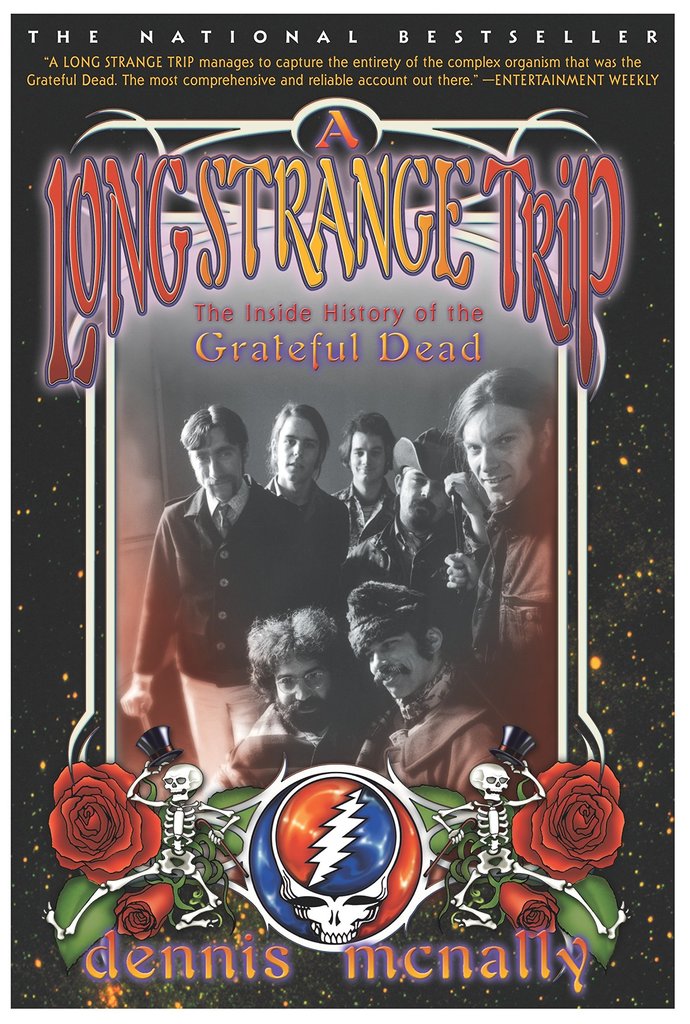
A Long Strange Trip - By: DennisMcNally

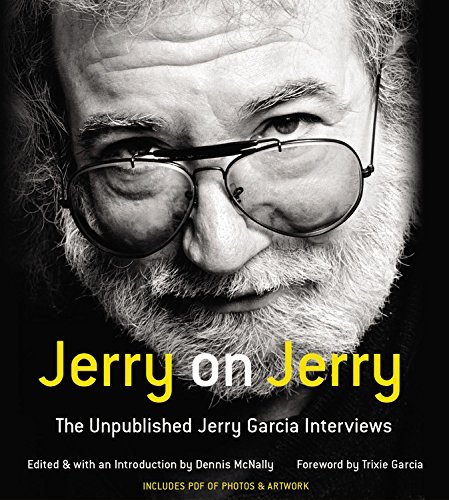
DM: Okay, well, I wrote the authorized history/biography of Grateful Dead called  A Long Strange Trip​, which came out in 2002. The reason I did that was because I had written a biography of Jack Kerouac that Jerry (Garcia) had liked and that was called Desolate Angel and, because of that, he had invited me to become the Grateful Dead’s biographer, bless him.  I also wrote a history of American music and the relationship of black, African American music with white people, mostly young, white people, running from the 1840s to the 1960s and that was called On Highway 61.  So I started with Kerouac and then I did Grateful Dead and then I went back and did all the background.   Then, more recently, I was asked to put together ​the bulk of the interviews that I did with Jerry as part of the book research, in both a regular book and an audio book called Jerry on Jerry.  I will hasten to add something that I don’t think ever got properly communicated by the publisher to the audience, which is - people when they hear 'audio book' they think, ‘Oh, well who read Jerry’s part?’  Well, Jerry did.  These are the tapes of Jerry talking.  He really was one of the best conversationalists there ever was and the fact that that didn't sell a million copies, I will go to my grave wondering about.  Folks just didn't know and it's not too late, you can still buy this book, I’m sure on Amazon or wherever, Jerry on Jerry the audio book and you get, I think it's six CDs or something like that – I think it’s seven hours of Jerry schmoozing about almost everything.  Save it for a good long drive and you find will find that that time goes by really fast (laughs) because, boy was he a good talker.  So yeah, those are my credentials.  Then in the middle of all that, I was hired by the Grateful Dead to be their publicist, which is why it took me 20 years to write the history of the Grateful Dead.  I had to sort of put it on the shelf for a while.  I was the Dead's publicist from well, on the road - the Grateful Dead publicist from 1984 to 1995, and then I was Grateful Dead Productions' publicist for another, pretty much, 10 years after that.  Then I worked with RatDog for a while.  I also have written a lot of the liner notes and whatever people asked me to do.  So, yeah, that’s who I am.

KM: So when does the book on your life come out? I'm sure that's a great tale too (laughs)

DM: All the good parts, really are what I write about. You know, I very much enjoyed my life but, no, I’m a historian.  I’ve done a bunch of lectures and tell the good stories, hopefully mostly funny ones, but the idea of doing a memoir, no.  It takes a lot of energy to write a book and you need to love your subject.  I find it very easy to brag about my clients, bragging about myself - I'm just not good at it.  It boils down to an hour or a couple hours’ worth of good, funny stories and that’s not a book so I don't think that's gonna happen.

KM: Well never say never, right? You just need one of those like empowerment workshops to find some self-love and get you all gassed up on yourself and then you'll be ready to go (laughs).

DM: I’ll keep that in mind (laughs).

KM: So were you a writer that found a passion in music or were you a music lover that found a passion in writing?

DM: I have, not to ethnically stereotype, but I have what is frequently associated with the Irish -which I'm only one quarter anyway- but a way of storytelling that's always been part of my life.  I wanted to be a historian, which was a formal way of being a storyteller, ever since I had a great history teacher in my junior year of high school.  Then coincidentally, and with great, good fortunate - because I was a complete nitwit and chose my college for lots of reasons, but none of them the good ones, it turned out to have a fabulous history department.  Then I went to graduate school and I picked it for lame reasons, and it turned out to have, not only a great history department, but it was as though it had been specifically designed for my needs.  So the answer your question is really, I was a writer and started with Kerouac, but coincidentally and not so coincidentally -you know you believe in coincidences?

KM: Yeah, of course!

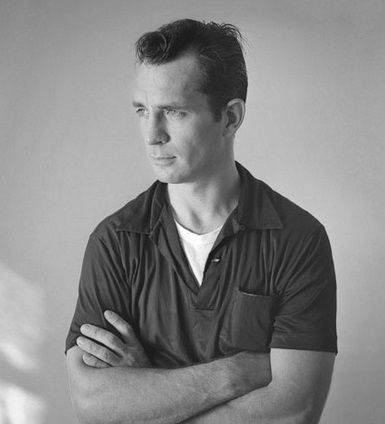
Jack Kerouac by photographer Tom Palumbo, circa 1956

Jack Kerouac (c) Tom Palumbo, circa 1956. An early influence of  Dennis McNally's

DM:  The person who turned me on to Kerouac as a specific subject - I was sort of vaguely thinking ‘Maybe I’ll do the Beats’ while I was in grad school - he said, “No, no - do Kerouac, his papers are at Columbia and you can stay with my friends in the Bronx.”  Now when you're a broke graduate student and somebody tells you ‘Yeah I got a free place for you to stay’ and it’s on the subway line, you think, ‘Whoa, that's a game changer!’  Again, coincidentally, or not, my  folks had just, in that period, in the previous year, moved 10 miles from Kerouac’s hometown of Lowell.  So the universe lined up and smacked me in the face and said,  'I think it's your duty to write about Kerouac.'  Long story short, I did and the same guy that told me about Kerouac, took me to my first show.  When we got there, he told me to open my mouth and stuck something in it and I had a wonderful time.  He, like any good Dead Head, all he ever listened to was Grateful Dead and we spent a lot of time together, particularly in my first year of grad school, listening to a lot of Grateful Dead.  I had always loved music but, as pretty much everybody in my generation, I mean now, you know, video games sell more, and to a lot of people are probably just as important, but when you grew up in the late 60s, you probably love music or loved it then anyway.   So I became a Dead Head.  Then as a historian, I quickly started realizing that there are all these connections between Kerouac and the Grateful Dead, most noticeably and obviously ​Neal Cassady, who is the hero of On The Road and of course was the avatar saint to the Grateful Dead and you know, Cowboy Neal at the wheel.  So my very long winded way of answering a question is, I was a writer first, but then I found the perfect fusion of doing what you love by becoming that Grateful Dead​'s biographer.

KM: And you became a Dead Head by way of Jack Kerouac.

DM: Yeah, more or less.  Kerouac and friendship.  I mean all Dead Heads become Dead Heads because of some person in their life.  Secretly a sibling most times, but this guy pretty much became my brother and said, ‘Hmmmm, you should listen to this’.

KM: That's funny we're talking about Kerouac, I just checked out from the library, which I think I'm just about only nerd that still uses our public library system, but I just checked out Dharma Bums, so I'm interested to read that.

DM: Oh, I highly, highly recommend it. I might add that as I get older, I'm giving away all my books and I love it.  I'm one of the absolute triple black belt fans of the San Francisco Public Library and libraries in general. So, thank you for doing that. Coincidentally, I happen to be a Buddhist and, Dharma Bums is actually a very important book in the history of Buddhism in America.  I’m not saying it's a masterpiece of literature, although I did think it was quite a wonderful book, but a lot of people started studying Buddhism because it was this popular success.

KM: Yeah, it's a very well-worn book. I can tell that a lot of people have read it.

DM: Yeah, absolutely.

KM: So what was, I mean, you said that, you know, it kind of had to be put on hold, and it was a long process, as far as organizing Long Strange Trip, what was the process as far as organizing the story or the flow of that book? How was that process and how difficult was it?  What was it like? Or kind of just, can you give us maybe a little bit of insight into that?

DM: Oh, yeah, yes, I can, because it's kind of a great story. I can go on and on.  The problem would be to tell it less than an hour (laughs) because it really was one of the two or three most remarkable moments of my life, I am not joking.  You know, I got invited by Jerry in late 1980, to be the Dead's historian, and I was very happy.  I started researching, starting with him and Phil's, because they were the oldest guys in the band and had had the most stuff happened to them prior to being in the Grateful Dead.  I started digging around in the Bay Area folk scene and the College of San Mateo​ jazz band, and stuff like that for Phil.  Over the next three years, I started interviewing people within the band and the larger band, because the band is not six guys, but about a hundred employees, or 50 employees, and 150 people you could call family.  So I'm researching away, gathering up more and more information and at one point, I had thirty, three-ring binders of notes typed up.  This is all in the early 80s.  Then in 1984, I met my future, well, then future wife, still current wife, who was the first person on the block to get a Macintosh computer.  Matter of fact, she was the person who taught Jerry how to run a Macintosh.  They were buddies long before I got there - Jerry was our matchmaker.  So then I looked at the computer and after fooling with it for a couple of months, I suddenly went, “Oh shit, I have to retype all these notes into the computer?!”  So, that’s what I did.  By the time I started writing, I was really glad I did.  That's yet another of my typical diversions.  

So I'd been working on the book for four years and I had lots and lots and lots of information.  There was one, main technical problem which I could foresee and that was that I’m a big believer in chronology -you begin at the beginning and you end at the end.  I didn't have an ending yet, but that was a side issue - I never did have an ending until Jerry died and I know that's another story.  So the technical issue was this: there was the chronological narrative of events that I would write, and then there were also stacks and stacks and stacks of information that wasn't chronological, that was topical,  Things like: how a show got set up, the relationship of the band and the crew, the office staff.  This wasn’t just a band, it was and still is, remarkably enough, a subculture of this whole phenomenon.  Dead Heads for instance.  How was I gonna put all this together and get all that information in when it didn't necessarily have a chronological reference or didn't need to have a chronological reference?  

Then, one day Healy, Dan Healy​, who was the director of sound for the Grateful Dead, and lived in Garberville, which was about four hours north of San Francisco, asked me to get some tapes and get them up to his house.  I was perfectly capable of taking them to the FedEx Office and shipping them off - I mean this was in the eighties - but I was looking for an excuse for a drive and that seemed like a perfectly good idea and just, you know let my mind unwind.  So I took off, heading north on the 101 toward Garberville.  Obviously, I've been thinking about this book and how I was going to organize it already for quite a while and something happened on the drive in which I suddenly understood how I was going to tell the story, which was in two streams.  In one stream would be the chronological and the other would be, not a fictional, because every single fact was absolutely accurate as I had either observed it or I've been told by reliable source, but I could organize all this other stuff by depicting what was then a typical year in the life.   "A Day in the Life" on Sgt Pepper, this would be a year in the life and it would start with January, when we’d have a company meeting and then end it with New Year’s Eve.  You’d also have, in between, a Spring tour and a Summer tour, a Fall tour.  Then you could depict certain songs, you know, the songs that I thought were really important and describe how they affected Deadheads or whatever.  This all happened as I'm driving.  Fortunately, thank God, I had a notebook and paper with me, although I did almost drove off the road a couple times.  I put the paper on the steering wheel and started scribbling.  Of course, I made a million changes after that, you know, moved the chess pieces around, but I defined the chessboard - or more like a jigsaw puzzle – but I defined the puzzle and the basic outline, the basic concept that I was going to have these two kinds of chapters.  Originally it was three, but my editor at Random House said, ‘No, let’s not over complicate this’.  So yeah, that's how it happened and boy was that a good day!  As a writer, it was one of the two best days of my life.  The other kind of similar thing that happened, also while driving -there's something about driving where your conscious mind has to focus, a large part of your mind ​is focused on the driving and being reasonably alert, but that frees up your subconscious and instead of daydreaming, if you've been thinking about something for a long time, it can stumble into great places. It certainly did for me both once on the Kerouac book and once on the Grateful Dead book.

KM: And then you end up driving somewhere you weren't planning on it, because you get so distracted. (laughs)

DM: Well, fortunately, there was only one road so as long as I stayed on the 101, I was in good shape. (laughs)  So I got up there and delivered the tapes and pretty sure I spent the night and I drove back and then I had an outline.  Once you have an outline – you need an outline and a first and a last sentence, and then you just fill in the blanks.

Jerry On Jerry - By: Dennis McNally

Jerry on Jerry by Dennis McNally

KM: There you go!  And this is also another reason why we should all listen to Jerry on Jerry, the audio version, right?  Because who knows what inspiration will happen in the car?  So would you say, figuring out how you were going to, you know, make this book flow was kind of one of your biggest ‘aha’ moments of your life?

​​DM: Oh, absolutely. Oh, no, I'm not joking. That, as I say, those two moments, once for the Kerouac book and once for the Grateful Dead book were truly, truly important in my life as a writer.  So that was in like, 1984 or 1985 and then, I might add, that right around that time - I tried doing both, that is being the publicist and being the biographer simultaneously for about six months.  Now, other than the fact that you work - and I’m not asking anybody to whip out their handkerchiefs and cry for me, because you work for the Grateful Dead - it’s more than a full time job.  It was a great job, the best ​I'll ever have, but it was like sixty hours a week and I'm talking about at home.  On the road, it was much more than that.  So the fact is that, I didn't have time to work on the book.  Besides that, the point of view, as the publicist - I was an advocate - and as the biographer, I was trying to be fair minded and I’d say things in the book that are, you know, not necessarily complimentary.  The word emotional cowardice comes up for instance, now and again, where they refuse to address issues because they just didn't have the guts to do it.  But you know, we're human and fortunately, at least four of them still are human, as to say still alive right?   The fact is that the two things didn't work.  So I set it aside and I put a Jack Kerouac style little notebook in my back pocket so I could write down whenever anybody says something funny.  A lot of the material is in those, I call them interludes, those other chapters, they came out of that notebook, because that's what I would witness.  In a way, if I say so, one of the strengths of the book is not merely that it was a bigger story, since it was about the Grateful Dead, but it gave people an understanding about the way rock and roll worked.  Things like trucks for example, and how important they are.  The average person just doesn't know about stuff like that.  They think, ‘Oh, you mean all those lights and sound equipment just got here?’ and they don't know how important that trucker is.   So there's a there's a practical element to the book that came out of being on the road for all those years.

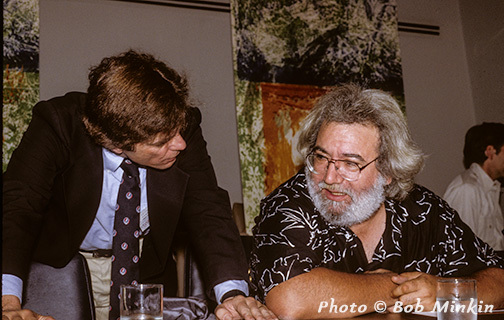
Dennis McNally with Jerry Garcia at the United Nations (c) Bob Minkin

Dennis McNally with Jerry Garcia at the United Nations (c) Bob Minkin

DM: That's right. That's right. ​ ​Yeah, who knows, you could have some great thoughts!


KM: So let's talk about your transition from historian/book writer to publicist.  I know you said that there was a period where you were doing both - and then you learned that you obviously couldn't do both, but how was that transition and kind of how your role changed and the dynamic even changed between you and members of the group members of the crew? ​

DM: Well, I spent, as I said, some three years as just a biographer before I got hired and in a sense that was my job interview.  I didn't realize it at the time, but I spent those three years and I didn't piss off anybody too badly and people got to know me.  So, what happened was that one day, ​Rock Skully has been the publicist and he had to take a long vacation to get himself together and one day at a company meeting the lady that answered the phones, Mary Jo said, ‘What are we gonna do about publicity?  The media calls and nobody answers the calls or returns their calls and then they call back and nobody answers, what are we gonna do?’ and Jerry says, ‘Get McNally to do it, he knows that shit’, which was semi-true, in that, I had done a book tour for my Kerouac book.  So I knew that a publicist contacted the media and said, ‘Say something nice about my client.’  To be honest, I haven't learned a goddamn thing since. I've been doing it for 30 years, and I do know more people but, you know, the principle, it's not rocket science and the principles remain the same.  

So it changed my relationship. I mean, it changed my relationship a little bit, it deepened it because I became an employee.  Now, Jerry once was told me that he was sort of impressed with me, I think he used the word ‘in awe’, which is embarrassing even to say, because he really, really, really - Kerouac was really important to him as a young man - as a 15 or 16 year old guy, it gave him a major sense of his personal  identity.  So I was this respected Kerouac guy.  So it was different than the first time he met me, to be his employee, it's a different thing.  On the other hand, I might add, that he was not in love with the idea of doing a million interviews and so I would pick and choose and again, didn't piss him off too much so he always said yes, thank God.  But I also said no as needed.

I can only say that in 1986, when he went into his diabetic coma, Jerry - Phil and Mickey, to be honest, were very nervous, and, and they decided they really wanted to demonstrate that they were sort of in charge.  So they immediately laid me off, I was the only person who got laid off because I was the new guy and then, in 1992 when Jerry got ill, they once again called me into the room except instead of laying me off this time, (laughs) they asked me for advice about how to deal with things.  Because by then, I've been around long enough and I got some serious respect for the way I handle various things.  I had learned a lot about how to be a publicist and what to say and when to say it.  Then in 1995, when Jerry died, once again, I went into this room where the band was, except this time I said, ‘Does anybody want to make this announcement to the press with me?’ and they all went, ‘No, no, you can handle it.’  So you know, over the course of my time there I think I grew into the job.  Certainly my relationship with the band grew such that that they trusted me and acknowledged that I was probably not gonna screw up too badly and should be left alone, which generally they did.  It was an ideal job in many ways for me because it was self-directed and didn’t really have anybody looking over my shoulder, because I don't like being all that closely supervised.  They thought I was ideal because, God knows there was a lot to do and a lot of it was invisible.  Shortly after I got hired, I went to the band and said, ‘You know, you really should have me on the road with you’, which is expensive - we figured it cost probably close to $10,000 a week per person on the road.

KM: Wow!

Dennis McNally with the Grateful Dead (Photo Credit: Susana Millman)

Dennis McNally with the Grateful Dead (Photo Credit: Susana Millman)

DM: Hotel rooms, mode of transportation, per diem, etc.  Members of the crew, all of them thought that any dollar not spent on members of the crew or the band, well, you know, was money stolen from their children's mouth.  But, seriously, members of the crew said, ‘What do we need you for on the road?  We've already sold the tickets!’  I said, ‘Well here's the deal - the Grateful Dead (this is 1984) is a story and I might add - it's not only a story, but it's a story that can be played either way.  You've got CNN by then, which is 24 hours, which is just this giant hole of space and they need to fill the space with stories and they don't really care.  There are times when they don't care whether the story is positive or negative.  Now, if you welcome them into the show and you give them footage of the band, the lights and good music and give them a good look and good sound feed, then that'll be their story because they are inclined naturally towards a feel good story.  They do enough bloody car wrecks, talking about local news too so they’re happy to do a feel good story.  

If you don’t allow them to cover the story, particularly in places other than New York City, three blocks away from Madison Square Garden, where you couldn't tell if the Grateful Dead is in town or in Cincinnati where you see all these people in tie dye and they think, ‘We're being invaded by the hippies’, which is obviously a major story and they're going to cover it how they want.  The point is, they could either do that and if they’re not allowed in, they will cover the mess in the parking lot – ​Dead Heads and just trash or the people selling a doses, doing doses and being indiscreet in whatever fashion.  You can't always trust the local promoter to supply somebody to get a good story because they don't work for the band and they don't know.  They just don't have the motivation that the person that is working for the band has.' That was my answer to the band and crew about why I should be on the road and that's why I was on the road for the next eleven years, because what I did was make the TV and the photographer's in particular, who could be the most obvious and potentially intrusive, I made them invisible.  They came in and they went out.  They didn't bother anybody, and most importantly they didn't bother the crew, which was responsible for keeping order on the stage.  We had the TV out of the soundboard with a good sound feed and they would be warned - you need a good set of a tripods, you got it, they wanted to shoot the band straight on, we worked with them to grant their wishes and they were happy.  Thanks to Dan Healy,​ they were happy technically and I kept them out of trouble so everybody's happy.   This did lead occasionally, to a crew member saying, ‘Just what is it that you do around here?’ and I go, ‘Well, I just had four sets of film crews and seven photographers in here and you never saw them.’  They would go, ‘Really?’

KM: So you were a magician? (laughs)

DM: Yeah, on a good day!

KM: So, I mean, I can't even imagine the stories that you must have and how often you are caught telling a story or relating something to these times.  I don’t know if, are you familiar with the Grateful Dead channel on Sirius XM - they always have people that call in and they call them the ‘Tales from the Golden Road’- I don't know if you listen to that station at all.

DM: Oh I've been on it. 

KM: So I'm sure you have tons of great stories, tons some people probably wouldn't believe but are there, let's maybe say, certain things that stick out as times that – I mean obviously you are friends with everybody in the band and also as a publicist you kind of play two roles and it's two sides of the coin - are there sometimes that you hold very near and dear to your heart, that maybe might not be stories that you always share but just - I know you say you had the luxury of having one of the best jobs in the world - but something that when you look back you think, ‘That right there is what made everything worth it’?  Or is it too hard to narrow down one specifically?

DM: Well the honest answer is yes, several million, yeah, but I'll tell you one story which I think kind of illustrates what you’re asking.   My wife, Susana Millman -  she's a fantastic photographer and did a book of her Grateful Dead photography and we went all around and sold them.  So many people these days don't even get this reference because they are too young, but we did what we call a ‘Georgie and Gracie act’, if you've ever heard of George Burns and Gracie Allen.  They were a comedic team in which Gracie would pretend to be slightly air headed and George would say these strange, funny, hilarious things and​ would punctuate this with these dry, very witty, straight answers.  This is in her book too, because I wrote it - I wrote up three short essays- it's her book, I am only responsible for the punctuation.  

I did write two or three very short pieces and one of them was about this one night in which we had the perfectly opposite experiences and that was the night that the Grateful Dead went to the Bammies.  The Bammies was the Bay Area Music Awards -it was kind of a local, small scale, amateur hour version of the Grammys, and it was an excuse, in the eighties – there were a lot of great Bay Area bands -to pretend to be an adult and get dressed up and drink champagne, and celebrate.  The Grateful Dead had put out "A Touch of Grey" and the album In The Dark and it was thought that they were going to win all the awards, which they did.  I got a phone call from the magazine, BAM – Bay Area Music, who sponsored everything and they said, ‘Would the Grateful Dead come and play for the finale?’  For Susana - everybody in the band came, the families came, it was great.  She was taking pictures everywhere.  All the women in the office were there and their adult children, ​it was just a chance to really get an idea of what an amazing trip it really was.  She had been around for a long time, but I had only been the publicist at that point for three years, four years and was still learning my way, I guess or feeling that I was. For her, it was a marvelous night - she got some great pictures - it was like a family album, a family night and that sensation really is what led her to eventually do this Grateful Dead photo book.  

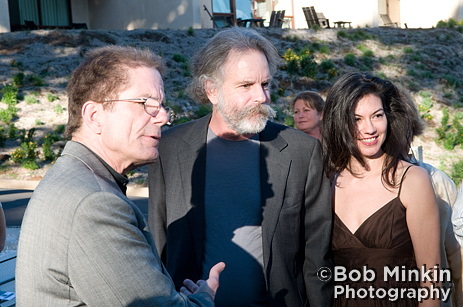
Dennis McNally with Bob Weir  (c) Bob Minkin

Dennis McNally with Bob Weir (c) Bob Minkin

So, she had a great time and I spent the night as uptight as I've ever been in my life, for the simple reason that Jerry didn't want to be there.  There were two reasons, two fundamental reasons why that was – one was that the awards were awarded by voting competition.  In other words, it was a competition and the concept of competition in music, to Jerry, was completely foreign.  It’s why he didn't come to the to the Rock-n-Roll Hall of Fame – the whole thing that some make it and some don’t.  Who’s in the club and who is not – that was not his idea at all.  Now, on a more practical level, also because (at the Bammies) you had twenty bands or whatever it was, playing in the course of the night and you had to have a standardized setup.  You just simply could not change over the stage.  Now playing on somebody else's equipment was not Jerry Garcia's idea of fun.  So he didn't want to come from the very first moment.  Also, because it's not a money event, and we’re not being paid, suddenly I inherited it as a promotional event, which gave the tour manager the opportunity to say, ‘Have fun Dennis, not my problem, I’ve got enough to do!’  So I go to the band first and say, ‘Do you want to do this?’ and everybody says, ‘Sure, why not, absolutely.’  And Jerry said, ‘I don’t know man, I don't know.’  So I said, ‘Look, think of this as ​Noblesse oblige. These are your friends, your peers, the people that you've been with (this is 1988 now) the last 23 years of your life, the people in the Bay Area music community and they want to say congratulations, we love you. So, be kind - show up,’ and he said, ‘oh ok.’  It wasn't enthusiastic though, so I wasn't sure he was actually going to do it. The possibility that he would at the last second go, ‘You know, I just don't want to do it.’  Keep in mind that Jerry Garcia - there weren't many times in his life by then that he had to do something that he didn't want to do.  He didn't go to the doctor because he didn’t want to and that’s why he died when he did, because he wouldn't go to the doctor ​- he just didn't want to go.

KM: Yeah, I don’t like going or really ever go either so I’m with Jerry on that one (laughs).

DM:  Well, what happened was, in the end, he did show up and of course, he did play and it was charming as all hell and, you know, made it like it was the happiest day of his life.   But the moment that made it all worthwhile for me was that I’m standing at the loading dock of the ​Civic Auditorium, waiting for him to show up and, sort of sweating blood.  The van with  him shows up and he gets out and I start breathing again and he comes up the steps and he looks at me and says, ‘You know, I just couldn't figure out a way to leave you holding the bag.’  And I went, ‘Thank you’ and it was like, the biggest compliment I ever got in some ways.  He was a great boss by working under the assumption that you knew what you were doing and let’s all just get this done.  He didn't spend a lot of time saying, ‘Great job!’  I might have gotten three compliments from him in my whole life but every day was a compliment because I felt his trust. So that was great. ​ So yeah, that was a big one.

KM: That's a pretty good one.  The fact that he respected you enough to do something that he probably didn't want to 100%.

DM: Yeah, because what I said was true - it was his whole community, you know?  Come on, it's okay to be a curmudgeon but not this time.

KM: Oh, that's good.  That is a good story.  It’s a nice story, I like that one.  Maybe we'll hear some party stories another time.

Read More
All Parrotheads were welcome at Jiffy Lube Live on August 4
Concert Reviews, Feature, Photo Retrospectives

Fins to the Left, Fins to the Right: My Day Among the Parrotheads

Jimmy Buffett and the Coral Reefer Band made their annual summertime visit to Bristow, VA's Jiffy Lube Live on Saturday, August 4th, with thousands of devoted fans flocking to the Northern VA amphitheater for a night on island time with the easy listening icon. Turning the parking lots of Prince William County into Margaritaville for one day only, Buffett's following, known as Parrotheads, spent their afternoon tailgating and preparing for the Saturday night party for which they'd descended on the venue from far and wide. We spent the afternoon partying with the Parrotheads in hopes of getting the true Buffett experience before the show even started.

Parrotheads came prepared for the Jimmy Buffett Concert At Jiffy Lube Live

Parrotheads came prepared for the Jimmy Buffett Concert At Jiffy Lube Live

Our group came prepared with plenty of food, drinks, coolers, chairs, etc. The works. But as soon as we arrived it was clear that we were truly rookies to this scene. The fans around us set up elaborate tiki bars, inflated decorations, blended Margaritas, and - in one case - unloaded an ice luge for liquor, in case you needed a more thrilling way to take shots. Despite the scorching hot sun and humid conditions, this fan base was not deterred from wetting their whistles in anticipation of the party that would cap off the night.

Arriving on the lot pretty early, venue staff were determined to contain the festivities from the start, stopping fans from setting up their liquor collections, table games, and canopies. The group parked next to us was well aware of these obstacles, quickly setting up an umbrella to keep out the sun, proclaiming "we know from the last few years that they won't allow the EZ Up." We were assured that if it weren't for the heavy-handed security presence, the pre-show festivities would be truly off the hook with more sand spread over the parking lot, and extensive tailgating setups. Still, they knew it was only a matter of time before they could carry on with their pregame plans once the lot filled with more cars and provided a bit more cover. At that point, one Parrothead from Georgia commented, the security decides, "if you can't beat 'em, join 'em!"

Jiffy Lube Live was ground zero for 5 o'clock paraphenalia

Amidst the sea of car-top shark fins, "It's 5 o'clock somewhere" signs, inflatable parrots, "Fins Up" tattoos, Hawaiian shirts, flamingos, corn hole sets, and pirate hats, it was clear that every fan in attendance was on Island Time, seeking out a night of relaxation. I encountered one fan with a shirt that read "Margaritaville is a way of life," a message that was crystal clear to me before I even made my way through the crowd of more than 20,000 to get to my seat in the pit. One crew was there representing four generations of Parrotheads (and Parakeets, as the youngest fans are called) in their family. The family patriarch was attending the show with his children and grandchildren. His mother, he had mentioned, was in attendance at the show last summer, but passed away earlier this year. Still, this family was so dedicated to the Parrothead scene that they brought her remains in an urn to be part of their day on the Son of a Son of a Sailor Tour 2018.

Coming into this show, I knew almost nothing about Jimmy Buffett. I knew two or three songs, that he owned Landshark Lager and two restaurant chains, and that he had a cultish following that called themselves Parrotheads. But as soon as I took my seat, I could appreciate his dedication to the brand he has cultivated of "drunken Caribbean rock 'n' roll." The set looks like a dock, complete with seagulls, decorative mermaids, and screens that look like sailboats and shark fins, and Jimmy Steps onstage, barefoot as always, with his wristbands and board shorts, ready to treat his adoring fans to a night of hit songs, lively covers, and localized banter.

A new generation of Parrotheads enjoy the Jimmy Buffett Tailgate Experience

From the opening notes of the show through the set-closing "Changes in Latitudes, Changes in Attitudes," Jimmy showed an almost symbiotic connection with his audience, feeding their energy and being fed in return. Beach balls flew through the air all night as Buffett played all of his classics, including "Cheeseburger in Paradise," "Son of a Son of a Sailor," "Volcano," and "Come Monday." And of course, the Parrotheads joined in for a little choreography during "Fins," then transitioned from one song to the next with scripted banter from Buffett. Taking some time to note his frequent visits to the DelMarVa region, Jimmy acknowledged that he had played Jiffy Lube Live upwards of 30 times prior to that night. Jimmy and the Coral Reefers worked through their set with incredible energy and a tightly woven sound before reaching the show's denouement in the final three songs, "Margaritaville," "Why Don't We Get Drunk," and the aforementioned "Changes in Latitudes."

Jimmy Buffett brought out the ever faithful Parrotheads!

Jimmy Buffett brought out the ever faithful Parrotheads!

Walking out of the show, and being careful not to step on any passed out Parrotheads on the lawn, I was able to appreciate the size of the crowd. For one Saturday night in August, these 20,000 or so people were given a chance to escape the worries of the real world and enjoy something that was a just pure distillation of fun. It was a care free night that managed to transport these DC area fans to the beach, even if only in their minds and flip flops. After all, it is 5 o'clock somewhere.

Click here to see the setlist for Jimmy Buffett's performance at Jiffy Lube Live on Saturday, August 4, 2018


Enjoy photos by our photographer Jason Herman of Jason Herman Photography.

Read More
Alex G - Photo Credit Tonje Thilesen
Concert News

(Sandy) Alex G Is Bringing His DIY feel to Richmond

At just 25, Alex Giannascoli has managed to squeeze in a musical career rivaling artists ten years his senior. Performing under the moniker of (Sandy) Alex G, the artist is bringing his introspective indie pop to The Broadberry in Richmond, VA this Sunday, August 12th.

AlexG - Rocket

All the time
I try to recall
What drove you away from here
What was dream and what was real
Where was I

// "Judge"  from Rocket by AlexG

The Philadelphia based artist released his eighth full length album, Rocket, last year. Maintaining the homespun feel of his previous seven efforts, Rocket incorporates a vast variety of musical influences.

Flowing effortlessly from dreamy folk to country pop, it's easy to see why he's caught the attention of well respected musicians like Frank Ocean.  In the midst of recording his latest album, Alex lent his talents to Ocean's two 2016 releases, playing guitar on Endless and the cult favorite Blonde. 

Make your way to The Broadberry in Richmond, VA this Sunday, August 12th to hear for yourself why Alex's music has the industry buzzing. 

Get tickets for (Sandy) Alex G at The Broadberry in Richmond, VA


Sunday, August 12, 2018

Doors: 7:00PM

Show: 8:00PM

​

The Broadberry (https://www.thebroadberry.com/​)

2629 W. Broad Street

Richmond, VA 2220 (Google Maps Link)

​$16 - In Advance

$18 - Day of Performance


Read More