Rooster Walk 2019 Schedule
Feature, Festival News

Walk the Walk and Squawk the Squawk: Rooster Walk Music and Arts Festival Delivers on All Fronts

Music festivals are a dime a dozen these days. They range from massive 100 thousand plus person multi-day events to one day locally based functions that don’t even make a blip on most people’s radar. For some, the mega-festival is the way to go with a long list of chart topping artists, but for those who want a more mellow experience without sacrificing quality acts, Rooster Walk in Martinsville, Virginia should be a serious consideration. The festival is held on Pop’s Farm, a scenic, spacious plot of efficiently laid out land which allows everyone room to move, without having to walk a mile from their campsite to the stages. Trees are abundant, so there’s no need to sacrifice sleep in the morning due to hot tents or seeing music to stay cool in the midday sun. It’s family friendly with a dedicated kid’s play area, lots of activities throughout the day, but no one is hindered from letting loose and getting a little wild either.

Marcus King & Billy Strings

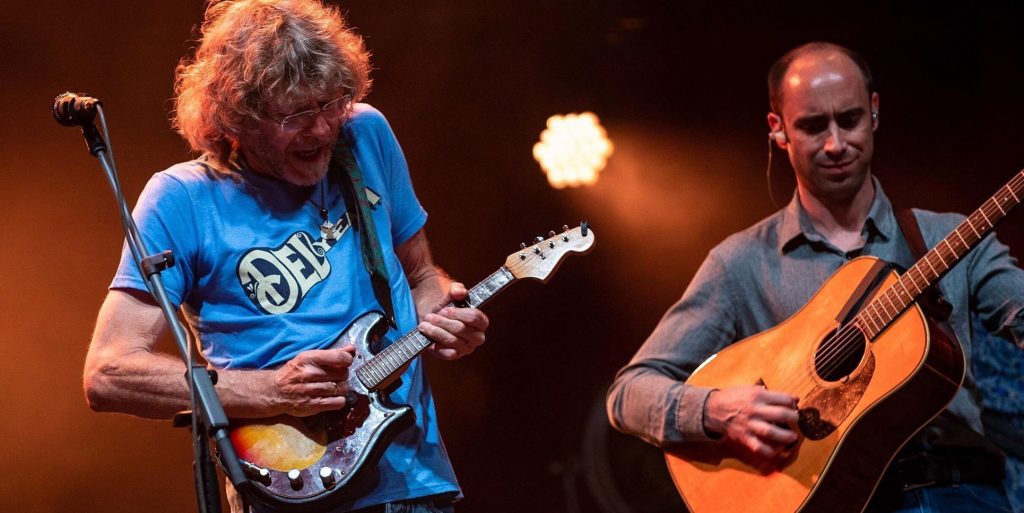
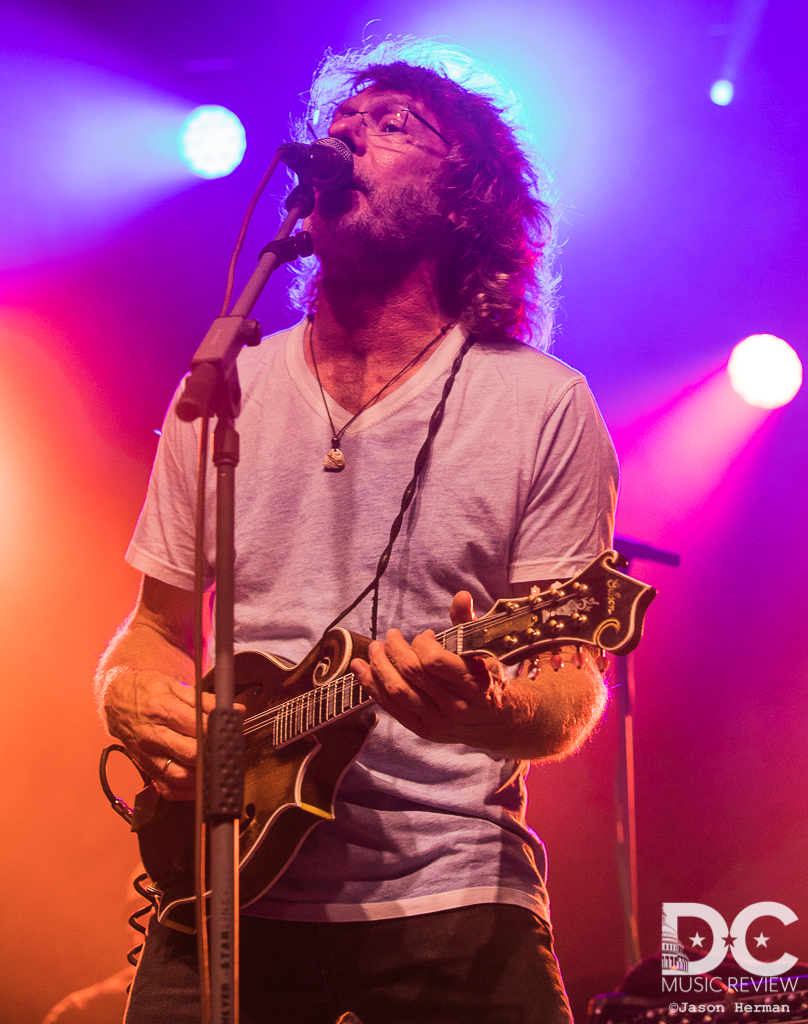
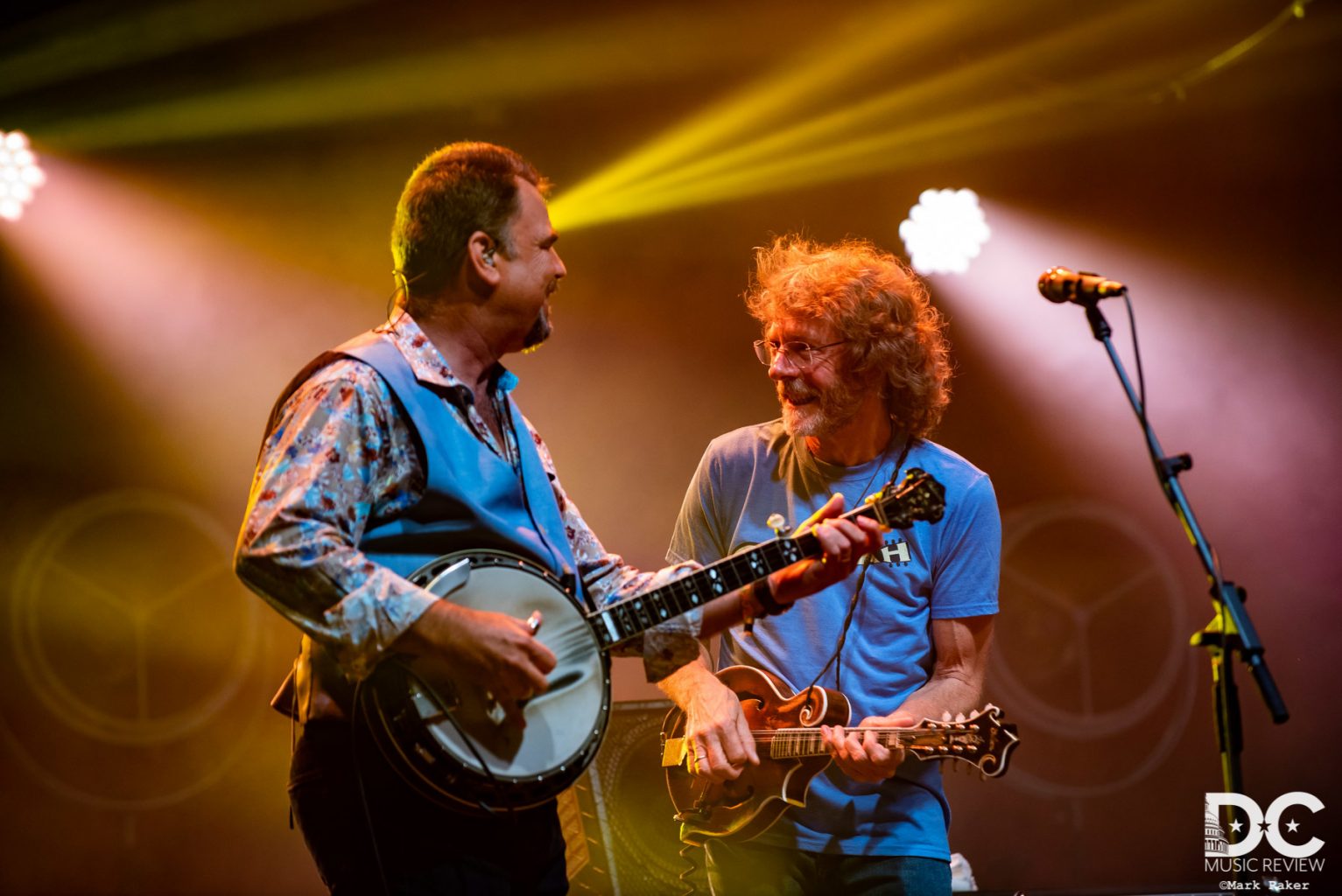
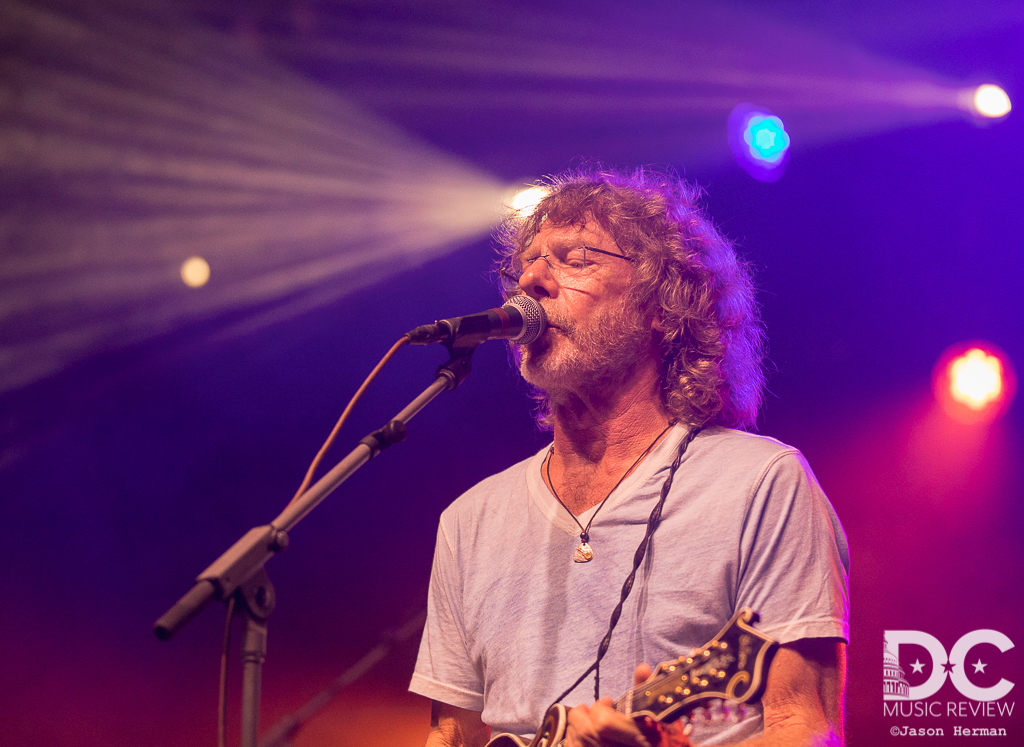
Sound too good to be true? Well it’s not. The stacked lineup is what really sets it apart from other smaller festivals. Last year’s Rooster Walk was the premiere of King & Strings, a collaboration between guitar phenoms Marcus King and Billy Strings, with Billy’s band, and Jeff Sipe on drums. The pair met for the first time only a few hours before their set and pulled off a face melting performance that will be remembered by those in attendance for a long time to come. This year, they’ll be closing out the festival in the same fashion. With headliners such as Galactic, Sam Bush Band, and Shovels & Rope and a slew of talent such as Turkuaz, Big Something, Ghost Light, and Sierra Hull, there is something for everyone. Also, expect to see many special guest appearances on all the stages. This festival is known for collaborations and surprise visits from other band members who have performed during the weekend.

But wait, there’s more! The festival was created in memory of two of the organizer’s friends, Edwin “The Rooster” Penn and Walker Shank, and the festival has raised over $175,000 for local and regional charities with over half of that going to the Penn-Shank Memorial Scholarship fund for local high school seniors. The festival also has a charitable initiative that helps obtain used musical instruments, fixes them, and puts them in the hands of local kids to explore their love of music who may otherwise not be able to afford the equipment.

Rooster Walk has something for everyone, and gives back to the local and musical community. Don’t miss out on this one of a kind event this year!

Photo Gallery

Photo Gallery

Photo Gallery


Enjoy photos by our photographer Sean Chagnon of Eye of The Storm Photography.

Performance Details

Performance Details

Performance

Details


Thursday May 23 -

Sunday, May 26, 2019


Please see website for details. 

Various options between near car camping, General Admission, and VIP packages.


Read More
Sego performs at Songbryd in Washington, DC
Concert Reviews

Indie Rockers ‘Sego’ Flaunt Sophomore Album at Songbyrd

Stuck between identifying as a Utah or LA-based band, Sego feels like the counterculture of both locations.

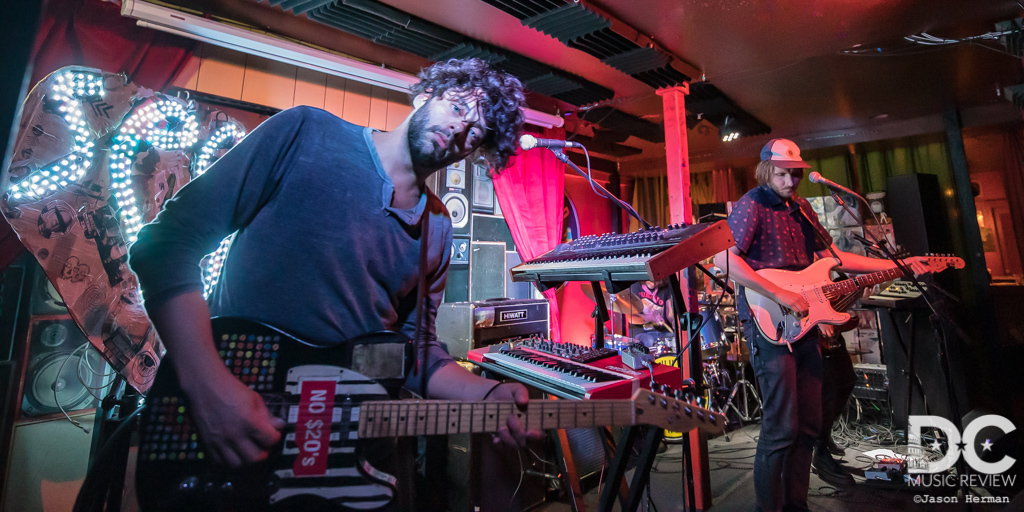
Playing Songbyrd on Monday, May 6, indie rock band Sego drew an audience full of friends and familiar faces who willingly crowded the front of the stage as soon as frontman Spencer Petersen gestured dramatically. The band immediately established an enthusiastic rapport with the audience, oftentimes dangling themselves offstage in an attempt to make the show as interactive and inclusive as possible.    

With vocals slightly reminiscent of Ezra Koenig (Vampire Weekend) and Christian Zucconi (Grouplove), Petersen performed in a speak-sing sort of way — a style few can seamlessly pull off. While some unsuccessfully use the style as a cliched trope, Petersen pulls off the lackadaisical style effortlessly.

Sego have a weird and electric energy that engages their audience. Each member of the band brought their own quirk that contributed to the palpability of their energy. Whether it was intense eye contact, dramatized hand gestures, or synced up head-banging, Sego have set themselves apart as a band to look out for.  

With a live-performance style that felt more like a staged theater show than a concert, the four-piece band performed with an instrumental style that can only be described as technical, enhanced by enriching lyrics full of self-aware satire and social commentary. Sego play with a wide array of sounds — from animalistic gasps of air in “20 Years Tall”, the cowbell in “The Fringe”, or the rallying chants of "USA!" in "Give Me" — there was always something eye-catching to look at and something groovy to dance to.

Petersen and Thomas Carroll (drums) are the founding members of Sego, and later added Brandon McBride (guitar, keyboard) and Alyssa Davey (bassist) for the production and release of their sophomore album Sego Sucks. Their set at Songbyrd spanned tracks from both albums and their handful of EPs, creating a night that exemplified the band’s growth over the past five or so years. 

"This is our first time trying to go around the country on our own," Petersen explained breathlessly as Sego took a half breath to appreciate their crowd, "Thank you for being here." 

"Sego have a weird and electric energy that engages their audience. Each member of the band brought their own quirk that contributed to the palpability of their energy."

The evening closed with "Neon Me Out," wherein Sego called up members of opening band Chardonnay Boys to join them for the final tune. What resulted was an explosion of guitars and soaring vocals, as Chardonnay Boys added their cool garage rock edge to what felt like a rallying anthem.

Sego’s set was essentially one continuous jam — filled with punk rock, ethereal indie, satire, psychedelic funk, and so much more —  that melded into one wacky and trippy show. The quartet are weird in the best way, and are best suited for those looking for a night of unbridled fun and excitement.

Photo Gallery

Photo Gallery

Photo Gallery


Enjoy photos by our photographer Jason Herman of Jason Herman Photography.

Associated Album

Associated Album

Associated Album


Read More
Interviews

Dark Star Still Shines Bright

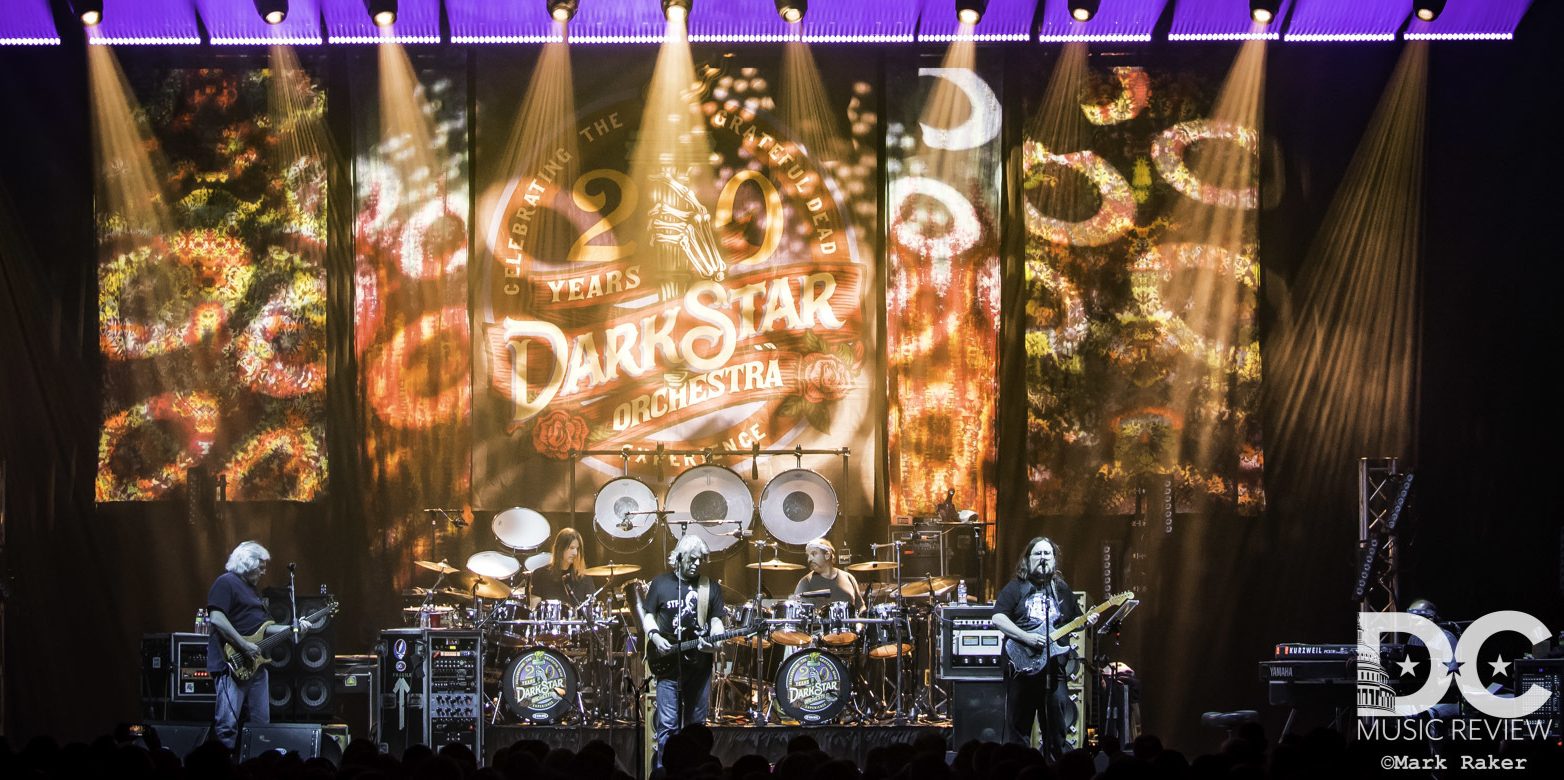
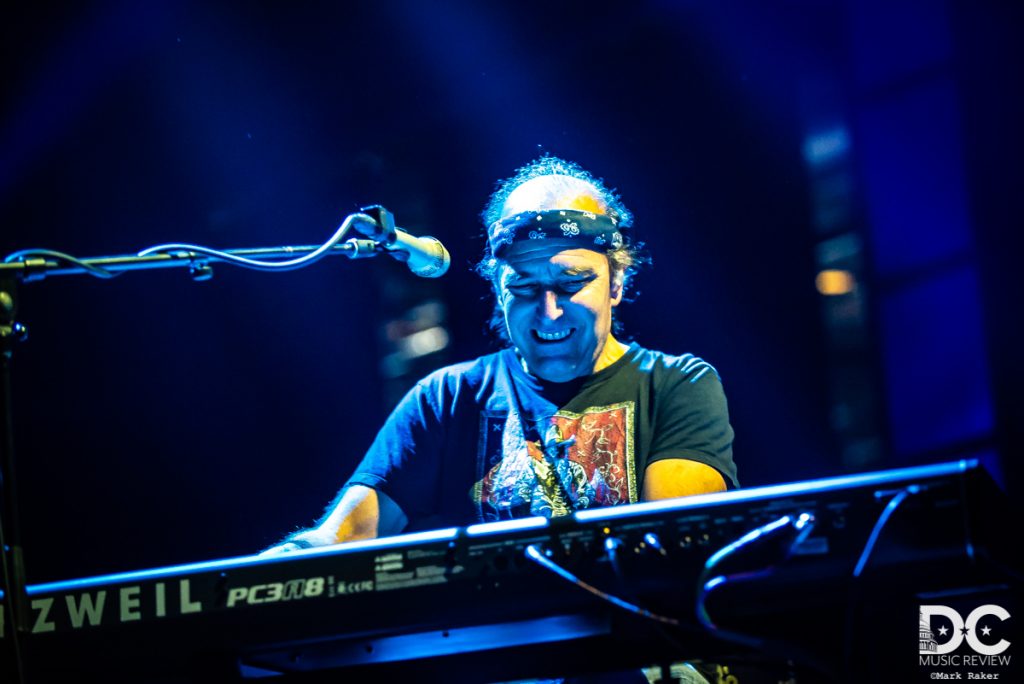
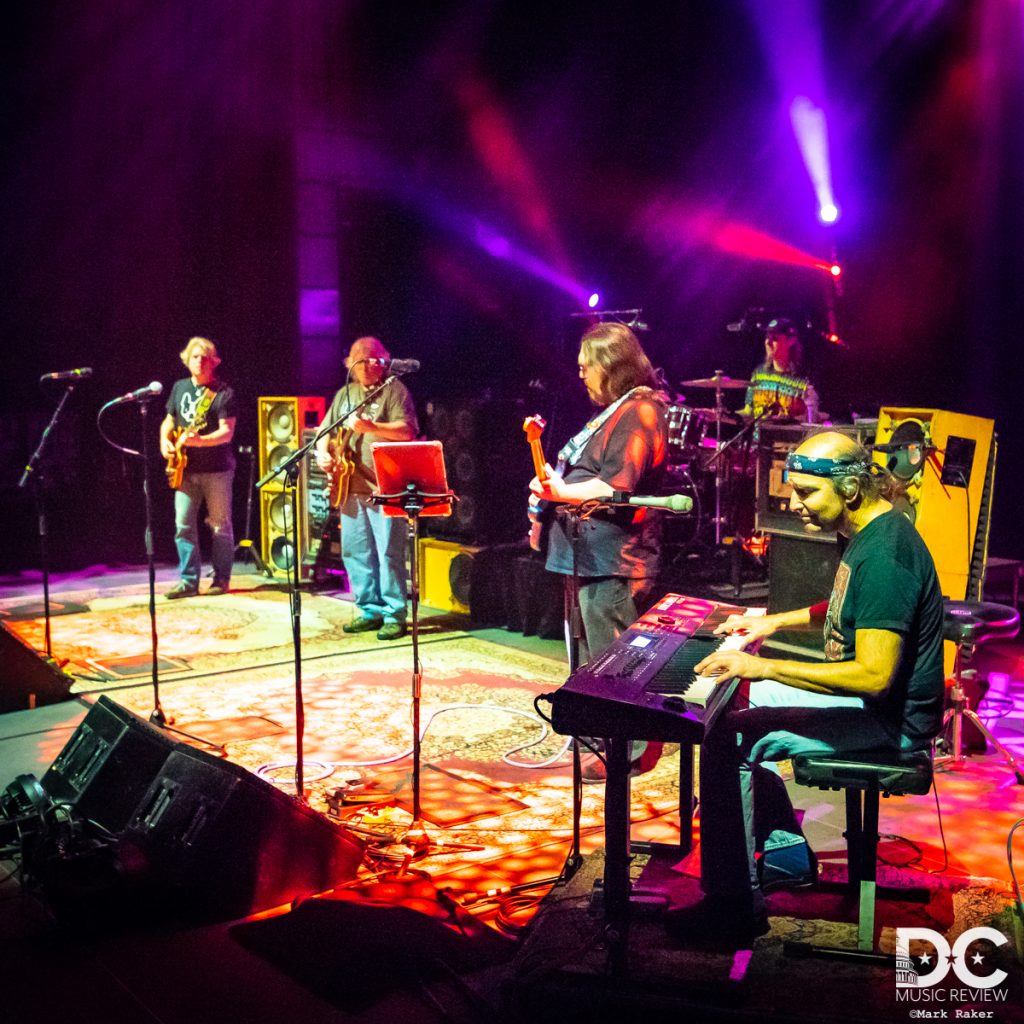
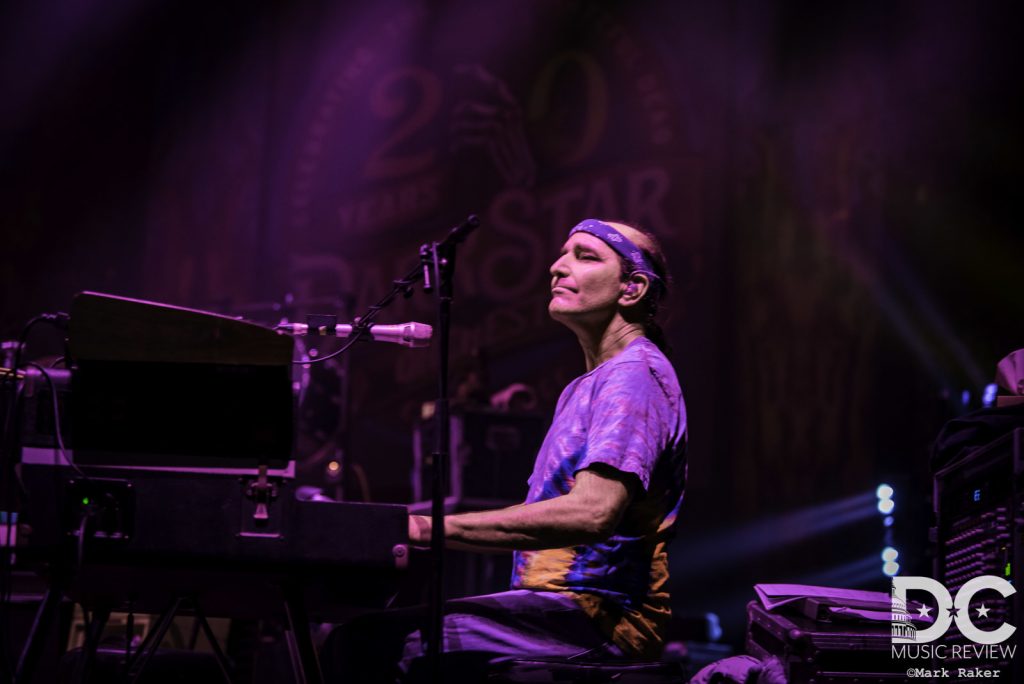
​Dark Star Orchestra has been playing for over 20 years and has performed close to 3000 shows.  They're back on the road as the trip of life continues and we got to speak with keyboard player Rob Barraco ahead of their two-night run at The Hamilton in D.C.

​Karin McLaughlin: ​You've been doing music in the realm of Grateful Dead in many different respects for a very long time. ​ I ​also read that you started out as a keyboard and a guitar player, is that correct?

Rob Barraco: Well, my first ​foray into music ​was when I was little, I think I started playing guitar when I was si​x. ​So I played for about five years and then when I was 11, my father convinced me -​ he always wanted a theater organ in the house, nobody could ever figure out why, but he loves ​to sing. He​ was a really good singer, he was a terrible musician though, no time - my mother used to have to conduct​ him, you know. ​ He bought a theater organ ​and I learned ​how to play and I took to it right away. ​ In retrospect, I wish they bought me a piano, because ultimately, in college when I was 19, I switched to piano.  I was a classical ​organ major and it was driving me crazy, I couldn't figure out 'What am I going to do with this skill, play in the church?' ​

KM: (laughs) That's what I was going to say!

RB: ​I was like, well, piano is so universal and plus, I also had gotten turned on to a jazz pianist and I was just ​so enamored and that's really what I wanted to do. So I became a pianist at 19 and I've never looked back​. ​ I've always loved playing guitar​.  I learned how to play bass through listening to the Grateful Dead, so I learned how to play a little bit like Phil Lesh,​ which did not serve me well because I tried to be a bass player in a couple of bands and they looked at me like, 'What are do you doing?' ​I would say, 'I'm playing bass' and they'd say, 'Uh, no you're not, that's not bass.'  I went, 'Sure it is!' and they'd say, 'No, we want you to do this,'  and I was thinking, 'Wow, that's dumb, it's not very interesting.'  (laughs) ​ Yeah, I love playing bass, it's such a great instrument, but piano ​is my thing.

KM: So you could honestly start pretty much a one man band, right? (laughs)

RB: (laughing) Yeah, on tape I could.​

KM: You mentioned that you​ were a big jazz guy​.  I can't remember what​ article specifically I was reading, but it said that you were a big Grateful Dead​ fan and then you stopped listening to ​them for a while because all you wanted to hear was jazz.

RB: ​Yeah, that happened when I was about 21.  I saw most of my Grateful Dead shows in 1972 and in about 1978, ​I went to a couple of shows and I​ noticed that the music just wasn't​ being played at the same level, at least to me it wasn't. ​That also coincides with when I started to go see the jazz artists that I was really enamored with at the time.  Those guys play at such a high level​ and it's so intense.  They were taking me to that place that the Grateful Dead used to take me to and no longer w​ere. ​ Why would I want to go see Grateful Dead when I could go see these guys? ​ They were playing at ​a level that ​gave me something to shoot for, you know, to aspire to and I wanted to do something that was a real challenge. ​ Even to this day, jazz is a huge challenge for me and I love it.

KM: So you built up your Grateful Dead tolerance to a point where you had to switch to some other substance?  

RB: (laughs) Yeah​ and I never looked back. The problem was​ that trying to make a living as a jazz artist is just nearly impossible. I mean​ I was married, I had two kids, there was no way that I was going to be able to afford, even with with with my ex working, I wasn't bringing in enough money.   I had to resort to playing weddings, but I kept getting calls from Grateful Dead bands, because they knew that I knew the repertoire and so I kept getting sucked into these bands.  It was coo​l because I could utilize all my jazz knowledge in the improvisational part of doing the Grateful Dead thing.

KM: ​You mentioned two kids, ​your son is a musician as well, correct? 

RB: Yeah, he is a drummer. He's a great, amazing musician, he really is.  He and I play​ with some of the guys from DSO. We have a side project doing our lead guitar players music and other stuff, it's called Jeff Mattson and Friends.  My son Tom is the drummer of that ​band. My daughter was actually a tremendous pianist when she was young, ​her teacher thought she would go to Juilliard and do the whole thing. ​​Then wh​en she ​turned about 12, she became huge social butterfly and that was the end of that, because she didn't want to practice anymore. ​ You know, you can't force that discipline on somebody, they have to want it and she didn't, but she went on to become a very successful attorney.

KM: Did she ever admit that she wishes she had stuck with it? 

RB:Yes. ​ She called me when she was in college and she goes, 'Why did you let me quit?' I was like, oh yeah blame me for everything (laughs). ​ She can still play beautifully though when she does sit down in front of a piano.

KM: ​Speaking specifically about ​Dark Star and what ​you guys ​do with your shows - you want to recreate not only obviously, when you do a specific​ show with setlist​, you're also trying to recreate the feeling of the Dead show and the experience. How do you convey that to the fans? I mean, obviously people that have been in attendance at​ actual Dead shows and they come to your shows, they know what it's about. ​ But there's a ton of new people, the​ people that were attending the Dead shows in the 60's and 70's are bringing their kids to these Dark Star shows or​ JRAD or other cover​ bands that play the Grateful Dead music​.  You even see, especially in the jam grass and even non jam grass scene, you have everybody covering ​Dead.  How do you give that feeling to people that never felt it in the first place? 

RB: Well, the number one aspect ​of this music is the improvisational nature, every note is ​made up.​ So even though we're recreating a show from a specific era, ​we're very conscious of the arrangements of the tunes in those ​eras, the tempos of the tunes, even the instruments that they use to get the sounds that they were getting. ​ After that, when the show starts, it's all improvised and that's the thing that I think turns Deadheads into Deadheads.  Once they grasp that, they're in for life because ​they start to realize t​hey can see that band every night and it's going to be a different experience. ​

When we were seeing the Dead in the mid 70s. Every show they​ played almost the same songs​, because they​ didn't have an expansive ​repertoire at that time and we didn't care, right because it was all different every night. So ​at the end of the tour, we can compare, ​and say, 'Man that "Estimated Profit" on 5/11 was the best one of the bunch, because they did this and they did this and then the one on 5/15, it wasn't quite as long.'  ​You know what I mean? ​

It's all about the ​improvisation and the musical conversation that the musicians have with each other. ​ We're taking each other on a journey and the benefit of that, is the audience gets taken on the same ride. ​It 's a journey of surprise, because we don't know where it's going to end up.  We're as surprised as they are where we go and sometimes it works, sometimes it doesn't.  

​The one good thing about Dark Star, I can honestly say we never fail.  I've been to Dead shows, especially the latter day Dead shows where it was miserable failure and a lot of that was drug induced, just​ not caring. ​ We approach the music with such enthusiasm that even when we don't make​ a 100% connection, it's still going places. ​

On top of that, ​every night for us is completely different because we make sure that ​if we do a '77 show tonight, tomorrow night could be an '89 show, or it could be a '69 show and it's a completely different animal. ​ We do it on purpose, because we want to make it so a it's different for us to keep us interested and be different for the folks that are actually touring with us because we have a bunch of people on tour​ that go to all the shows. ​ Like Tonight, we're in Boston.  So we look at t​he list that we played the last four years and we make sure that we're playing something different. ​ Dino English, ​one of our drummers​ is the one doing the setlist and it's a really daunting job because he has to​ create an entire tour and make sure that all those things are served. I could never do it, I would never have the patience.

​Then about every third or fourth show, we put together our own ​set list -we call it an elective set.​ That​ gives us the ability to maybe juxtaposition tunes that the Dead never really put together which makes it really interesting for us. ​We can also cross pollinate ​eras in those shows. ​Also when we do the elective sets can draw on Garcia Band repertoire and Bob Weir's repertoire​.

​"There's so many different aspects to a musical performance, but all those perfect nights where the sound comes together​ and the music is playing the band as they say, it's magic. It just takes you away and you wake up out of it like, 'How'd we get here?'"

KM: So what is your personal favorite era to play?

RB: I love the one drummer shows ​and the reason is,​ when you get into the jams, you can go to all these crazy exotic places and you can turn on a dime with one drummer. When you have two drummers, it's not as easy.  Phil Lesh, when I was working with him, he said it's like the difference between driving a Ferrari ​or driving a freight train.  A Ferrari, you can turn on a dime​ and a freight train you have to just motor through.  So those are the those are the ones that are my favorites.

When the music starts, truly doesn't make a difference to me, because I get sucked in so hard that​ by the time it's over, I'll look up basically look up and go, 'It's over? We just played three and a half hours?!'  Of course, you know, every night is different -​ some nights I really get sucked in and some nights, it's more of a struggle. I mean, connecting with my instrument, me not connecting with my band mates. ​ There's so many different aspects to a musical performance, but all those perfect nights where the sound comes together​ and the music is playing the band as they say, it's magic. It just takes you away and you wake up out of it like, 'How'd we get here?'  Truly that's the feeling I used to get one I used to go to Dead shows when I was really into it. ​ When it's over it feels like five minutes. ​

KM: So you guys ​are clocking over 20 years, I think close to 3000 shows, you have your own festival​ so let's talk about that.  ​What's something that's really unique and special about that opportunity, as opposed to going on tour and being able to play all these cities and venues ​as opposed to being able to stay in one place and ​really get your feet set in a location with the same people ​and you're able to call it​ a Dark Star event?

RB: So the first event we put together was the Dark Star Jubilee​, we started that in 2012 and it was such an honor to be able to put on your own festival. ​I'm very thankful to our manager, Tim Walter, who really was​ the one who pushed us to do it, he's the one who took the financial burden in the beginning. The beauty of that type of event is a you know, when we're on tour, we never get to see anybody else play music. So here we are, we're hand picking the bands that we want to come to our festival and we get to actually see all ​this different music, we get to interact with all these musicians, ​we get to play​. ​ That's a beautiful thing for musicians, you know?  That's part of the growing process as a musician to be able to play with other musicians.  

We've cultivated the festival now, to the point where, ​we're getting around 4000 people​ and that's the ​magic number, we don't want it to get any bigger than that, because it's a perfect festival.​ It's kid friendly, the camping scene is great, the cops don't really hassle anybody, we don't have​ the crazy drug element in there, at least not too bad (laughs). ​It really is beautiful - as long as the weather cooperates​. You know, the first year we did it, we did it on Labor Day weekend, and Ohio had its one and only hurricane blow through and it swamped ​the fairgrounds.   Couldn't even use the main stage, ​we had to do it on a little, tiny stage, but​ we made it work. ​Then the second year we did it, we decided to move it to Memorial Day weekend where we ​wouldn't have to contend with hurricanes. ​ How about ​30 degrees? ​  I've never played when it's that cold out - you're outside, it's 35 degrees, the wind is howling, I mean it was rough!  Ever since then, except for occasional thunderstorms rolling through, we've had some great weather - knock on wood. ​

So then our next our next adventure was Tim said, "How would you guys like to do a festival in Jamaica?" And we're like, "Yeah, who wouldn't?!" So that became Jam in the Sand and it's the same concept but much smaller scale.  There's 300 to 500 people who will come​ and stay in all ​inclusive place, we play three nights on the beach and we have support, you know, we'll have two other bands play with us.  This year, we've got the JGC​ with Melvin Seals and ​Donna the Buffalo. ​ We've had ​Donna the Buffalo before and it's worked beautifully. They're like a ​Zydeco Cajun thing. ​Then of course, ​Melvin ​- ​my jaw hits the floor every time I see him play.   ​If I was ever was going to just become an organ playe​r again, that's what I aspire to be, like Melvin on the organ.  I love the sound of the instrument and I love the way ​it feels, but I'll never play like Melvin. Melvin is out of the ​church, you know, and he goes to church every night.

KM: And takes everybody with him. (laughs)

RB: (laughing) Yes, he does. ​SANCTIFY! I love him and so that​ great. This year, we're going to ​do our ​Jubilee in Asheville, North Carolina.  Two days. It's not a camping festival, but there's plenty of camping in the area and we'll see how that goes.  People seem pretty enthused and ​my other band called California Kind is playing at it, so I'm excited about that. ​

KM: I want to do some rapid fire. Okay, you ready for this? 

RB: Ready​!

KM:  What do you think this the song that you played the most over the years is? 

RB:  "China Cat Sunflower" ​

KM: What's your favorite song to play? 

RB: "Dark Star".

KM:  What about to hear? 

RB: "Dark Star".

KM:  Who's your favorite original Grateful Dead band member? 

RB: Phil Lesh

KM: What is the best or most favorite sit in that you have ever done with a band?

RB:  Sitting in with the Allman Brothers for the first time at the Beacon Theater. 

KM: (laughing) I think I read the story about that - you got warned about breaking the bench, right? 

RB: Yes (laughs) Gregg (Allman) tapped me on the shoulder and said, "That was good, except one thing." Oh my god, I was so embarrassed.  I must have sat in with them a dozen times and every time I sat in with them after that, until they moved the keyboard over the other side of the stage, I would have to share his bench and I would move just my arms and my fingers.  (laughs)

KM: That's hilarious!  What about the favorite sit in that you guys have had for Dark Star?

RB: Phil Lesh.

KM: Ok can you possibly somehow describe a Dark Star Show to someone that's never heard of the Grateful Dead in five words.

RB: Woooooooow. Psychedelic, improvisational, jazzy, rocked out music (laughs).

KM: There you go. You did it. That's pretty good.

​This interview has been edited and condensed for clarity and length

Performance Details

Performance Details

Performance

Details


Monday, May 13, 2019

Doors: 6:30PM

Show: 8:00PM


600 14th Street NW

Washington, DC 20005

(Google Maps Link)


$38.50 - Bar Area / Pit


Tuesday, May 14, 2019

Doors: 6:30PM

Show: 8:00PM

$38.50 - Bar Area / Pit


Read More
Concerts this Week

Goodman’s Good Mix – Concert Picks of the Week – May 13

Featured above is a DC Music Review favorite, Ghost Light, who are returning to play The Hamilton on Saturday night. Photo by Josh Brick.

Week Of:  May 13 - 19, 2019

Summary: Still feeling funky post-funk

Coming off a tremendous week of music in the DC, most notably the DC Funk Parade and #DontMuteDC Conference, we are entering another week chock full o' good stuff. This week there are a lot of artists coming to town that the DCMR staff love, a show for every night of the week!... 

Plus, music to discover and adore, including these artists, many of them local, all of them loved: 

And so many MORE great shows listed in the links below, with personal choices in bold, along with a list of the DCMR staff top picks and cool "gems" that you don't want to miss.  Get out there and support our amazing scene! 


Mon — May 13


DCMR Staff Recs
Monday Mics & Jams & Such
Hidden Gems

Tue — May 14


DCMR Staff Recs
Tuesday Mics, Jams & Such
Hidden Gems

Wed — May 15


DCMR Staff Recs
Wednesday Night Mics, Jams & Such
Hidden Gems

Thu — May 16


DCMR Staff Recs
Thursday Mics, Jams & Such
Hidden Gems

Fri — May 17


DCMR Staff Recs
Friday Mics, Jams & Such
Hidden Gems

Sat — May 18


DCMR Staff Recs
Saturday Festivals, Jams & Such
Hidden Gems

Sun — May 19


DCMR Staff Recs
Sunday Festivals, Jams & Such
Hidden Gems

Related Articles


Read More
Livestream Powered By DC Music Review
Livestream

#DontMuteDC Conference

The first #DontMuteDC Conference, which sprung out of protests to protect the GoGo music played outside Metro PCS, is happening today! We will be on scene with We Act Radio to provide a livestream via the DC Music Review facebook page. You can also find the stream on the DC Music Review YouTube page and  on the DCMR twitter via periscope.

Read More
Festival News

Get Ready For The 6th Annual Funk Parade

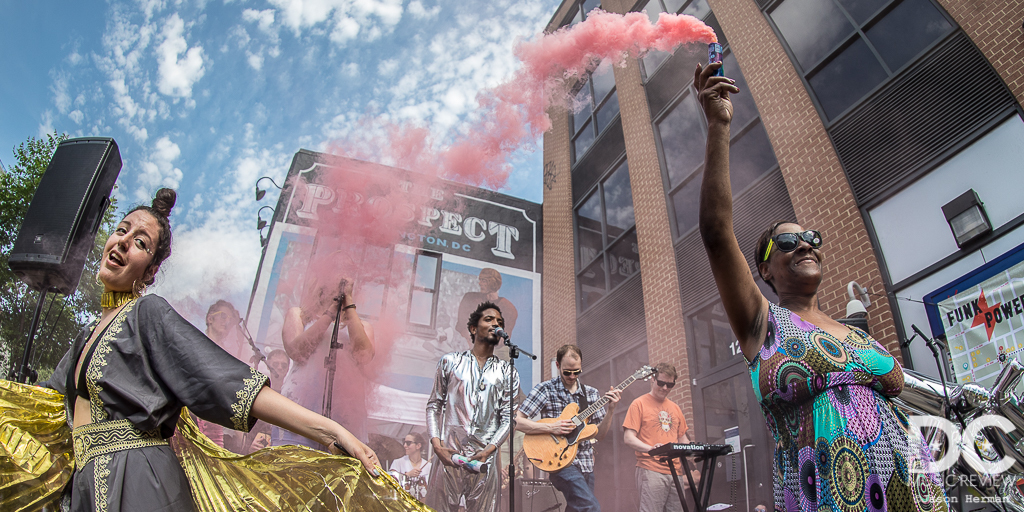
This coming Saturday, May 11th, get ready for the 6th Annual Funk Parade!  This festival is a true celebration of all that is Washington DC featuring a one-of-a-kind day fair, parade and music festival,

As always, this festival celebrates Washington DC's vibrant music and arts, the U Street neighborhood, and the Spirit of Funk that unites all that reside in and around Washington, DC.  

In addition to the parade, the new festival organizers, The Musicianship, has expanded he offerings at the Funk Parade to include a conference, and Night Music Festival with discussion and performances at over 25 difference venues.

Time

Event

Cost

10 AM - 2 PM

Don't Mute DC Conference

FREE

1 PM - 7 PM

Festival

FREE

5 PM - 6 PM 

Parade

FREE

7 PM - 12 AM 

Night Music Fest

$10 + $2.24 Fee

 8 PM - 12 AM 

Featured Showcase

$20 + $2.85 Fee

Be prepared for a non-stop day of amazing and Funk-tastic music with a full lineup of the very best musicians and marching bands.  Please see the full lineup below.  

The 2019 Lineup for The Funk Parade

Click for a full size image

You can expect a Funk-tastic time with close to 50,000 other music lovers at this years Funk Parde.  Bring your friends and family for the one-and-only Funk Parade with appearances from DC's Mayor Muriel Bowser and more!  Relive the 2017 and 2018 Funk Parade Sights and Sounds below.

​

Mobile Apps

Mobile Apps

Mobile Apps


Now festival goers have a simple way to figure out who is playing where and when, while also discovering new and talented up and coming local artists at the same time.

Get It On Google Play

NOTE: If you downloaded the App in previous years just make sure you go into the App Store and Update the App to the newest version.

Application Features Include

  •  Schedule of Events—see who’s playing and when
  • Map—follow the parade route and locate stages
  • Explore Artists—get to know and connect with artists
  • Featured Playlist—listen and discover over 60 tracks from the performing artists

Performance Details

Performance Details

Performance

Details


Saturday - May 11, 2019

10 AM - 12 AM


The Funk Pararde


http-venue-url

Address Line 1

U+St+NW,+Washington,+DC+2000

City, State Zip

(Google Maps Link)

U Street NW

Washington DC 20009

(Google Maps Link)


Several Ticket Options

  • Conference Ticket
  • All Inclusive Wristband
  • Wes Felton & Yahzarah and Michelle Blackwell Featured Showcase
  • Night Music Fest 


Photo Gallery

Photo Gallery

Photo Gallery


Enjoy photos by our photographer Jason Herman of Jason Herman Photography.

2018 Funk Parade Photo Retrospective


2017 Funk Parade Photo Retrospective


Related Articles

Related Articles

Related Articles


Additional Resources

Additional Resources

Additional

Resources


To learn more about the Funk Parade please refer to the following resources: 

To learn more about the The MusicanShip refer to the following resources:

Read More
Festival Reviews

Kingman Island Bluegrass Festival Turns 10

The 10th annual Kingman Island Bluegrass and Folk Festival (KIBFF) was held on May 4, 2019. The festival gets bigger and better every year with twenty eight bands played on four stages on this tenth anniversary year. This year's record crowd was supported by over 500 volunteers and at times it looked like mother nature had a rain in store for us but the storms held out and it was a perfect festival day.

Kingman Island (also known as Burnham Barrier) is a man-made island in the Anacostia River. It is owned by the District of Columbia Government, and managed by Living Classrooms of the National Capital Region. According to the Director of Kingman Island Living Classrooms, Lee Cain, the island is still transforming, Mayor Muriel Bowser dedicated Kingman Island as a state conservation area in January 2018. Funds from the festival go to supporting Living Classrooms and Kingman Island. Living Classrooms help support the human experience as well as the ecosystems.

Years ago the meadow was an asphalt parking lot, and students have been planting the Wetlands for the last 25 years. Thanks to all of their efforts we have this beautiful island on which to hold a great music festival. As part of the environmentally friendly aspect of KIBFF they have a zero waste goal.

Volunteers are located throughout the grounds to help with composting, recycling and proper trash disposal. Upon entering participants were provided with a reusable cup for water and beer. The audience clearly embraced the zero waste education and goal of the festival. Many people even brought their cups from previous years. The ultimate goals of the festival are to raise awareness of this incredible community resource and to provide an opportunity for people to experience music in a beautiful natural surrounding.

In keeping with those goals, Kingman Island Bluegrass and Folk Festival is a family and dog friendly event. The day was all about friends having a good time. At least 2 people were there visibly celebrating birthdays. Ted was celebrating his 30th birthday at KIBFF with a group of friends they enjoyed watching their friends Drew Beckman and the Boundry Boys perform. Jody was also celebrating her birthday with her family, music and food.

There were fun activities for all ages.  The Kid Zone in the Main Meadow was busy with head and face painting, arts & crafts, music and games as well as some educational projects to keep kids engaged. REI was again offering free kayaking around the island with Anacostia Riverkeeper providing free group educational boat tours throughout the day, ACE Hardware helped attendees pot their own plants, The Institute of Music Traditions had instruments for people to learn about and play.

There were food trucks near the Kingman Stage and local craft and artists on the road between stages. In keeping with the environmentally friendly theme of the festival Atlas Brew Works were featured, serving their locally made, solar powered brewed beers. “Protecting our environment is a responsibility we all share,” said Atlas CEO Justin Cox, “Converting our energy source to sustainable and renewable solar power will help offset our carbon footprint and continue our efforts to be a green brewery.” KIMFF also welcomed supporters Coney Island Brewing, Heineken and Red Stripe.Tito’s Vodka returned and new this year was George Dickel providing whiskey tasting samples.

Of course the main event was the music…… A total of about 25 stage hours of music was played during the 8 hour event, with 28 bands on four stages. The Heritage Stage is on the way in and is the first taste of the festival music for arriving fans. The opening band on the Heritage stage was Wicked Sycamore a Baltimore/ DC area all-female trio.

ilyAIMY- Which stands for “I love you and I miss you”- opened the Kingman Stage. We learned that the song “Frankie and Johnny” was based on a real event, however the true story is that Frankie was aquitted of the murder for self defence and never went to the electric chair. And it still made for a good song….   

On this Star Wars theme day, there were many jokes and songs about Star Wars. And May the 4th Be With You, too.

A local fan favorite, Justin Trawick and The Common Good, played a mid day set on the main stage. Trawick said he loves playing at KIBFF and that the band loves the island, the environment, and the fans.

Jess Eliot Myhre  who was the emcee of the Meadow Stage, and also played a set there, told DCMR  “I love this festival because there are so many incredibly talented local bands playing all over the place.  All of the festival attendees can expect to be completely blown away by somebody that they have never heard before. Kingman island as a site is a very unique and precious spot in Washington DC and I love that we are bringing those two things together.“

On the Meadow Stage, Oh He Dead  a local indie soul band from Washington, DC. opened the day. Odetta Hartman and Alex Freedom got the audience hyped with some interactive songs. They also treated the audience to two songs never before played in the United States. Boston based The Ballroom of Thieves, who describe themselves as a Rock Band in a folk suit, closed out the Meadow stage with their alternative rock & folking roll music.

While walking the island between the Kingman and Meadow stages you pass the Fraser Stage.  After a brief introduction from the emcee Chad Christian, Sweet Yonder opened. Later in the afternoon NoVA-based mandolin player Jack Dunlap Band played for the local fans. After their set, Geraldine posted “We really enjoyed playing for such an amazing crowd and loved sharing the stage with so many killer bands. Thank you to all our new friends who rocked out with us, and to Living Classrooms and Kingman Island for putting on a perfect festival.”

Charlottesville VA’s Hackensaw Boys, who were as much fun to watch as the were to listen to, played a mix of old and new songs on the main Kingman Stage. They had the crowd jumping up and down and dancing hard to the end of their set. For 20 years they have been sharing their “burning hot vision of American roots music into a new age, fueled as much by a rowdy punk spirit as by the traditional masters that first inspired them.”  Their new album, "A Fireproof House of Sunshine" will be released June 21st 2019.

The final act of the day was Dustbowl Revival, from Venice Beach, CA, playing KIMFF for the first time. They thanked Kingman Island for “including a weird band like us at a bluegrass festival.”  Keep an eye out for their new album as well. It was just mixed and will be coming out this fall. They played a mix of rock, folk, funky folk and jazz. Vocalist Liz Beebe got the audience singing along on “Busted”.  Beebe said “We were so stoked to come out to Kingman Island. We were really happy to be included, the fans were so into it and the weather held out. We had a great time and can’t wait to come back.”

Photo Gallery

Photo Gallery

Photo Gallery


Enjoy photos by our photographers Mark Raker of Mark Raker Photography and Devon Dickson

Read More
Sam Bush
Interviews

Sam Bush is DELighted Festival Season is Here Again

​A day before he was to play at the Big Sky Music Festival as well as celebrate his birthday in style, Sam Bush talked to us about his own musical influences as well as being one himself and how everything comes full circle.  In preparation for Delfest, the following is one of the interviews with artists that will be playing there Memorial Day weekend.  Keep your eye out for more to come with the musicians on their lineup and make sure you get your tickets to head out to the Alleghany mountains for a great time!


​Karin McLaughlin: Let's  start at the beginning​.  I was doing some reading and you ​come from a musical family, your father was a fiddler.  You also note that Ricky Skaggs is ​an early inspiration for you and that was  what led you to the instrument that you play, but it also says that your dad was a big​ record collect​or and that was  a musical influence in your life.  Are there any specific vinyl ​albums ​or artists ​that sparked the music love earlier than Ricky Skaggs?

Sam Bush: Well, both my parents really loved music and my dad played the fiddle ​and strummed on a mandolin and my mom played some guitar. ​ Growing up in a household that encouraged music was, of course, ​an advantage that I didn't realize I had. ​ My dad had records and the records that he would like to play around the house were fiddle instrumental albums.  By album, I mean that they were literally five 78 records in a jacket with five sleeves and it was like a photo album​. ​ One of the records that he loved to listen to was a ​fiddle album by Roy Acuff ​and the fiddle player on that album was actually Tommy Magness. ​

Another one that he had that caught my ear more, was a fiddle album, again in the five 78 package and was by Tommy Jackson.  Tommy Jackson ​became sort of the sound of the fiddle and country music in the 60s and the  music coming out of Nashville on record. ​ Tommy would play these ​fiddle tunes and they made them to play for people at dances.  In other words, they made two versions of the album - one would be called ​Square Dances by Tommy Jackson, ​and then another version of the record would be called Square Dances With Calls. So on the record they would have a square dance​ caller telling the ​dance patterns​ for the change.  Well, my dad of course got them without calls, he didn't want to hear that (laughs)​.  So we listened to the Tommy Jackson records and that piqued my interest. ​ One of the things that I liked about the Tommy Jackson's ​fiddle albums were that they featured ​a mandolin player playing​ the melodies in unison along with Tommy. ​ 

Later, I was to find out that ​the mandolin was played by the great jazz guitar player Hank Garland and that Hank was such a great musician, he could just take a mandolin right before they recorded and be taught the song on it. ​So I literally​ grew up ​copying a person that didn't really play the mandolin, but he was great. ​ The way he would play exactly what ​fiddle notes​ Tommy played, that's a way that bluegrass mandolin players weren't approaching it then, so I really learned about this fiddle tune approach for both the fiddle and mandolin early.  Hearing the sound and loving it​ led me to further explore that. ​

Growing up around Nashville, Tennessee by being in Bowling Green, Kentucky only 55 miles north, we had the advantage of  seeing some of these Grand Ole Opry performers and mandolin players on​ local TV ​in Nashville. ​ Through that, I sort of started realizing, 'Oh I want ​to play like those guys!' ​ Even though we knew of him around Bowling Green. as we had a small TV station that ​the Skaggs family would play on, I knew young Ricky Skaggs ​and he's couple years younger than me, before I started playing.​ I guess it was when I was watching the Flat and Scruggs show one Saturday afternoon and ​a youngster came on and wanted to play the mandolin with Flat and Scruggs and of course I ​knew that was a little Ricky Skaggs, I knew who he was and I just thought that was the greatest thing I ever saw. ​ I wanted to do the same thing​

Sam Bush performs at The 2018 Festy Experience

​KM: It's also funny note that you learned or you ​were inspired to play the mandolin from someone who didn't play the mandolin. ​ So the whole term new grass or progressive bluegrass, what does that mean to you? ​

SB: ​Well it's funny because our band, New Grass Revival​, I always called it The Revival and it seems like everyone else called it New Grass​.  Then, over a period of time, all of a sudden this word new grass starts being a thing as a style of music.  What we always thought of it as, was​ just this simple playing of contemporary music on traditional bluegrass instruments. In other words, you've learned to write your own tunes and, of course, the subject matter of the songs can't help but change.

I am one of the few people I know - me and Del McCoury and maybe The Gibson Brothers - that grew up on a farm.  So when you think back to the early days of bluegrass, many of the performers came from rural settings and so their subject matter was about their ​settings.  Many a song is about missing your parents ​and the little cabin you grew up in in the hills​. ​ That was just bound to change​​.  If there hadn't been an influence of, in my opinion, Northeast musicians ​and ​other musicians ​taking on youngsters and the college-aged guys taking on bluegrass, I don't know if it would have it would have survived the 60's.

Sam Bush performs at The 2018 Festy Experience

​That was when people start writing their own tunes and making their own music just like our forefathers ​in bluegrass did. ​ We just had different subject matter and things to talk about and so ​we had the advantage of learning from them. There's a different twist ​that people like me ​and David Grisman would ​put on acoustic music. Now, you have ​- I hesitate to use the word youngsters, but - young musicians ​that​ maybe ​didn't see Bill Monroe like I grew up seeing him or maybe they didn't ever see Jesse McReynolds play like I got to see him, but they saw David Grisman and they saw me.   So now you have ​a wide thing that is influenced by different styles and people and what I love about this ​is that now we have these young players that are loving the progressive side of acoustic music. ​ We've certainly seen young musicians that want to play the traditional bluegrass as well so it's good that they can all be involved in it.  

KM: There's  two sides to that coin where you guys started playing this ​new style of bluegrass where you attracted a lot of people, but I read that you ​were shunned by traditionalists for quite a while and they were wary and afraid of something new.  How long did it take until you noticed that that started to change and they finally started to accept more of the new style of music that you guys were playing and to respect it in a whole new way?

SB: ​Just the fact that we hung in there.​ I think there was sometimes a delineation in the ​audience where the audience ​would only like the old time bluegrass​ and they weren't going to open ​their mind to this "new bluegrass".   The musicians themselves were always incredibly welcoming to us and​ New Grass Revival​. ​ 

Thinking ​back to the early 70's, when they were trying to get it going, there were certainly the Bill Monroe type of festivals that were all very traditional but there was another promoter, Carlton Haney who started ​The Roanoke Bluegrass Festival in 1965, which I was actually there for, ​and that was the first multi-day bluegrass festival.  You'd also have, people called them 'peace, love and bluegrass festivals' (laughs) and it would feature certain bluegrass entertainers but also ​New Grass Revival​ and bands like Goose Creek Symphony or the New Riders of the Purple Sage, ​and The Nitty Gritty Dirt Band. ​ ​

By the mid- 80's Bill Monroe was ​a festival promoter himself​ hiring New Grass Revival and I've often wondered ​as ​ when we started working for Bill, if the ​traditional audience didn't also realize, 'Well I guess if Bill likes them, they must be okay.'   ​So ​I've wondered if that didn't ​help that audience come around. 

That's always a battle in all forms of music, I mean I was fascinated a few years ago​ there was ​a reprint of old stories where you ​had, I mean even Miles Davis would say that Dave Brubeck can't play jazz. ​  Some people in ​rock and roll would never call the Beatles rock and roll because they were too hung up on Chuck Berry and Jerry Lee Lewis. ​ It's really interesting to me​ watching how people hold on to traditions in music.  Those traditions aren't going away. There's nothing to be frightened about.

KM: Right and now you've got festivals, I mean tons of different festivals with all these traditional and non-traditional genres.  Perfect point as we gear up for Delfest, where you've got almost every style within the bluegrass genre there is - you've got jam grass, you've got new grass, old school traditional you have basically everything and it comes together. ​Personally, ​Delfest is where I fell in love with bluegrass really.

SB: Well then they've achieved their goal (laughs).​

KM: They 1,000% have!

Sam Bush

​KM: I  want to talk about what's so special about Delfest in that respect. Not only do you have Del, who is obviously the man of the festival, but everybody from Ricky Skaggs who's played there, you've played there several times and you're playing there again this year - Greensky (Bluegrass), Yonder (Mountain String Band), Bill Monroe, pretty much everybody that could have been an influence and a player in that game has at some point played at Delfest​.  ​It's such a generally good time and in all the years I've gone, I've never seen any fights​, any disrespect, any anything negative really. The crowd and that atmosphere is just so enjoyable. ​ What, as a performer, is special to you about that festival? 

Sam Bush

SB: Well when you when you talk about the uniqueness of ​Delfest, the first thing that comes to my mind is credit ​Del McCoury.  The whole festival takes on the vibe of ​him and the McCoury family. ​ Del is so open minded and inclusive of any style of music.  He's not interested in just playing it the way he has, although he's happy to do that (laughs). ​ Del has brought people into bluegrass that wouldn't have known about it​.​  The unique thing is, ​it's Del's openness for any kind of music, that's ​really what it is.  He knows what he needs to bring in a good young audience and also what I love about   about Del is that ​when a young audience hears him, they can't believe what they're hearing and what it is, in my opinion, is the direct line to Bill Monroe and the bluegrass ​voice.  No disrespect to the person that is called "The King of Bluegrass", but if there's a king of bluegrass, his name is Del.

KM: DELYEAH! (laughs)

SB: DEL yeah! ​I mean I personally would be bored to tears if I went to a festival and everybody played the same music throughout the day and so at Delfest, you're given an incredible variety of music.

​KM: You have gotten yourself on just about every festival I was considering for the entire summer: you got Big Sky, Delfest, Rooster Walk, Blue Ox, Watermelon Park.  I know personally, once we round the corner of February and places start putting out ticket sales and lineups and daily schedules, I just get super duper excited.  What's it like on your end, getting to go all these different places and play with all these different musicians and basically go to every festival that's out there? 

SB: ​ Well one of the things I really love about festival season is getting to see my friends and the other pickers.  Right now today, we're sitting out in Big Sky Montana​, for instance and ​​my band doesn't play till tomorrow, so tonight I'll probably go jam with ​Drew Emmitt his band ​and The McCoury's are coming, so I'll get to hang out with them. Love those guys.  ​So really ​it's sort of we get to ​be on the same circuit and I love that I've been getting to do that.

In the 1980's New Grass Revival and ​Hot Rize played so many festivals together that ​the two bands felt like we had ​our own little club. ​ In that respect, up here at this festival we've got Drew Emmitt, the Jeff Austin Band and the Travelin' McCoury's - all my buddies are here and at Delfest it's just increases even more because one of my favorite human beings is Del McCoury.   ​ You know, in 2013 ​Del and I had a two man tour we did and gosh was it fun.  I hope we can do more of those in the future. ​

Sam Bush performs at The 2018 Festy Experience

I'm lucky, you know, this week it's Big Sky and​ a week from tomorrow ​we'll be playing in Nashville for​ the Earth Day celebration and that's a big deal to me.   Then, look what's coming around the corner then it's ​Merlefest, then before we know it, it's going to be Memorial Day weekend. I​ love this. ​That leads me into​ Telluride.  So ​for me, it's the excitement and I, of course, I love my band - I learned to play with with the guys​, they're my favorite musicians.   We get to play ​and have fun but we get to see our friends and be part of this community that we're really happy to be in on.

Sam Bush performs at The 2018 Festy Experience

KM: We talked a little bit about your musical influences, but I also absolutely must touch on how much of an influence you've been to so many other people. ​ You've got how many years under your belt, ​three straight IBMA awards and then another one for mandolin player of the year.  You guys ​have just about every accolade you could possibly get most likely.  You've been named an influence by so many people - what does that mean to you as far as where you are, but also where you still want to go?​

SB: Well it's hard to think of yourself in that way. ​ Like if Sierra Hull c​ites me as an influence - well I think of her as my mandolin buddy (laughs).  ​ I don't know that one's​ hard to answer.  It's because again, if I've influenced anybody, it's been great because guess what - I'm at the point now that if I've influenced some people, we're probably back at the point where I can now learn from them. So if I keep my my ears​ and my head open I can learn from them ​just the same as they did from me.

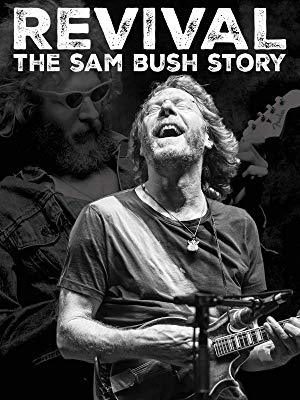
KM: Also, I want to talk about the S​am Bush movie which, I haven't seen the whole thing, but I saw the preview for ​​it and I definitely want to check it out.  It got so many awards - Best Documentary awards, Best Music Documentary at the Nashville Film Festival and then tons and tons more. ​ A couple of the things that they showed in the preview ​and I can't remember who it ​was that said this part, but they asked you, "Are you the next Bill Monroe?"  and you said, "No I'm the first Sam Bush."  Then Del was on there ​and he's just so happy all the time​ and seems like such a nice guy. ​  I see him talk and it's like it's almost like he can't not smile but he says, "There's only one Sam Bush," and then he starts to giggle, and he says, "and I really like to be around him."  (laughs)

SB: (laughing) That's about the last statement in the in the film.

KM: Being able to have a movie made about you and then have so many people on there  - you see Paul Hoffman on there saying when an influence ​you are to him and you've got countless people saying how great it is that they've been able to work with you or they've been able to learn things from you and share a stage with you.  That might maybe make it easier to talk about ​how much of an influence you are. ​ To have a documentary like that made and be able to have so many people participate in it. I  want to just see what your feeling on that is and if you were surprised by how many people were on there or if you're just incredibly valuing everything that​ is in entailed in that. 

​SB: ​The most gratifying part about that​ for me was​ how many people ​were willing to come give their time to do that. ​ When you see their 30 seconds in that clip, they probably took a couple hours to do it and however many hours out of their day was spent in getting ​through the whole process of filming and so on.  So that ​in itself, when I first saw the film, it's like this over w​helming sense of gratitude to my friends for being willing to go through that. ​ 

You mentioned Paul Hoffman - I mean. we've become friends and Greensky has cited me as an influence, but now they're just my pals and we're all on the same gig (laughs).  ​Then of course where that film first debuted -  by the way I've learned to call it the film, people ​told me, 'You gotta say film' - when it was first shown at the​ theater, we saw ​it at the Nashville Film Festival, ​so that was a very strange sensation sitting in the theater with some of many of the people who had spoken in the film.  Sitting in the theater with with ​Emmy Lou (Harris) and John Oates, that was very surreal (laughs).​Without trying to sound really dumb, it's almost as if you're sitting at your own wake.

Revival - The Sam Bush Story

KM: Right - it's like everyone's talking about you like you're not there, but there you are.

SB: (laughs) Yeah.  ​Once you get over the embarrassment of watching yourself ​talk on screen - I mean ​you recall the first time you ever heard your voice come back on a tape recorder, right?  ​You think, 'That's not what I sound like!'  But other than the awkwardness of listening to people saying compliments and things, I hope what people take away from it is that​ as you sit and go through this documentary, you'll come away from it just to know that I am sincere in my love of music and and really my love of my other bands and pickers. ​

KM: Sam thanks so much for doing this and we'll see you at Delfest!

Performance Details

Performance Details

Performance

Details


Sam Bush will be performing at DelFest on :

  • 8:10 PM - 9:40 PM May 26 at Grandstand Stage
  • 12:15AM  May 27 with The DelFest Chaser with The Travelin' McCourys at the Music Hall


May 23 - 26, 2019


12th Annual DelFest

DelYEAH!

Allegany County Fairgrounds
11400 Moss Ave. Cumberland, MD 21502

(Google Maps Link)


Single Day & Multi Day Passes Available

Kids & Teen Passes Also Available

$20-235 + Fees

​See Ticket Page For Prices


Read More
The Devil Makes Three (Photo Credit: Jay Westcott)
Interviews

Interview with Punk Music Lover Pete Bernhard of The Devil Makes Three

​Back in April, we got to talk with Pete Bernhard about all the fun that a band who never seems to stop touring has coming for 2019.  While some of the events discussed in the article have now already happened, there is still plenty more coming including their show in D.C.  Read on to see why Pete is a fan of the city and some of our music just as much as we are fans of The Devil Makes Three!

Karin McLaughlin: Okay, ​right off the bat - after taking a look at you​r upcoming ​tour schedule, you're heading overseas and doing a stint with Dropkick Murphys. ​ I know that you guys have worked with the same producer (Ted Hut) as Dropkick, but I  want to know about The Devil Makes Three and Dropkick Murphys dynamic relationship.

Pete Bernhard: Well, we don't actually know those guys very well, but like you said, we worked with the same producer on our last album.  Me and Cooper used to go see them, we're from New England and would go see them in Boston when we were teenagers​.  You'd go see a punk show and there'd be ​nine bands playing and a lot of times Dropkick would be one of the last bands playing ​so we  grew up ​listening to them. ​ At the time, they were a pretty small band ​compared to what they are now.   That's  our connection to them and we've been wanting to play with him for a while. We just played our first show ​on St. Patrick's Day - well ​actually, we did one other one ​at Bank of America Stadium a billion years ago, but this ​was one of the many festivals that they do around St. Patrick's Day and it was really fun. ​

KM:  So that's a really cool opportunity for you guys then, ​to get to play with a band that you  grew up going to see. ​ I'm assuming obviously, there will be some kind of friendship and relationship built during that time, but that's pretty awesome.

​PB: Yeah, they seem like really nice guys and​ we're really excited ​tour with ​them in Europe.

KM: That's another thing I wanted to touch on is what's different about touring overseas, as opposed to the U.S. as far as preparation or maybe anything you guys​ take with you or just even the crowds and the overall vibe.  How different is overseas as opposed to here?

​PB: It's pretty different actually. The audiences are,​ in our experience​ really attentive and tend to be a lot quieter. ​ They don't get as crazy​, there isn't a lot of fighting, they're sort of more subdued and more respectful.  I wouldn't say that they're not having a really good time, but it's a little harder to read. I think we just  become accustomed to people being a little bit nuts and you can tell they're really having a good time. ​ I really like the audience over there a lot, it's great, it's just different.  ​For the most part, it's really nice that they're​ listening and attentive​ and I think what we've all experienced over there has been pretty much totally positive, so we're stoked to​ go over there with ​Dropkick and play to a completely different audience. We have our own audience over there, but of course, ​theirs is much bigger.

KM:  Are there any comforts of home that you guys make sure to take with you when you travel overseas?

Devil Makes Three (Photo Credit: Giles Clement)

​The Devil Makes Three (photo credit: Giles Clement)

Devil Makes Three (Photo Credit: Giles Clement)

​The Devil Makes Three (photo credit: Giles Clement)

PB: ​When we're there, we try and​ ask for some things that are sort of​ like foods and stuff that reminds us of home and ​stuff like that.   ​Also, to me, going to- this time we're going to Ireland and England and Scotland-  it's not really ​a big shock culturally, I don't know if you've ever been over there​ but I mean, they're English speaking and​ most of the first people who came here were from there. ​ People tend to be friendly and the language barrier isn't there, which is nice.  ​ This doesn't really feel like you're going that​ far off the map.   Whereas sometimes if we go to like Spain and Italy​ or France, it's a bit ​more of a shock. ​Even Germany and Prague and stuff like that is sort of like​ different, you know what I mean?  ​Generally speaking, the best thing is​ that we tend to go with our American crew and we've all been touring together for so long that it  feels like home in a weird way.

KM: I was reading some stuff on your website and I think that you guys have probably the most awesome descriptors of the band and the music. Two of them especially are "Reckless Rock and Roll" and "Whiskey ​Soaked Ragtime" (laughs).  I was hoping to see if I could get your, not really take on that, but ​reasons why that fits you guys so well.

PB: I think our whole intention as a band, when we started out, was to try and make the kind of music that we like more fun. ​We were really inspired by folk music and blues and classic rock and roll and it was sort of like the people who ​were playing it, that we knew were sort of doing ​it in like a revivalist sort of way.  There was no dancing, no one was​ standing up, and we were really into punk music, so we ​kind of like, 'How do we take this music that we love and ​make it ​the show environment that we like?'  I think that's how those descriptors got started and why they fit the band this because it's our intention when we started the band  - try and make our live shows fun and really bring the energy that we ​first saw in punk music and bring it into the  music we were playing. ​ That was our whole goal.  ​ ​

KM:  Sounds like a really fun show.  It makes me think of​ the 1920s ​and the speakeasies when it was ​the prohibition era and you have to go in a secret place to drink and dance and have a really good time, but it sounds like a blast. ​ 

Now let's talk about Chains Are Broken as a whole and  just how this album is maybe similar to and different from what you guys have done before?

PB: ​I think, with this record, me and Cooper really love like I said, old rock and roll and oldies and shit like that and​ with this album, we really ​lean into that a little harder. ​ ​​ We also brought our touring drummer in the studio, which was Ted's idea, the producer and that was a bit of a departure for us as well. ​ We're just sort of messing around​ every time we make an album and we try and do something a little bit different to color the album.

This one we recorded down in Texas, right on the Mexican border near El Paso​ at this place called Sonic Ranch, and it was really a cool studio, a residential studio way out in the middle of nowhere. ​ We went and lived there for like, I don't know, ​a week and a half I think it was and just recorded every day and it was really fun.  We've never made an album like that. Usually we​ just go to a city and go to a studio, so it was really cool to be ​in the middle of nowhere making this album, it was super fun. ​  ​

Devil Makes Three (Photo Credit: Jay Westcott)

​The Devil Makes Three (photo credit: Jay Westcott)

Devil Makes Three (Photo Credit: Jay Westcott)

​The Devil Makes Three (photo credit: Jay Westcott)

KM: Different environment​, totally engulfed in nothing but the music I'm assuming?

​PB: Yeah, yeah, we had no choice. It was residential recording so there would be four or five bands because there's a bunch of different tracking rooms.   ​This one band came and ​asked us, "Hey​ where's the nearest bar?"  And it's like, dude, the nearest bar is like an hour and a half​ away, there was literally nothing. ​ It was ​really actually good in a way.​

KM: Speaking on that a bit - I think this is so important, because everybody has or sets a goal​ there's someone I follow on Instagram that's a local business owner​ and he posted something the other day that rings similar to this. ​ People have these goals or this thing that they want, but they don't think about all the things that are going to be necessary to make it possible.   You were quoted as saying, "It's an album about what you have to do to make your dream possible."​  Seems like you've done that, but what was something along the way that was unexpected or unanticipated about that journey?  A sacrifice or ​something you guys ​might not have realized that was part of the whole process.  You're still  growing and learning as you continue to have years under your belt and make new albums and do new music and hit new places and tour with new people.  Is there something that really sticks out along that journey maybe that you guys weren't expecting and now you feel like is really  something you are ​standing on top of the mountain and ​getting to say that you did?  Like a 'we did it and it wasn't easy, but we did it.'?

PB: Yeah, I mean, I think the main thing that I ​really recognize as being important is being willing to sacrifice.  ​That's a big theme of the album too, sort of ​what you ​have got to give up to get what you want, how bad you want it? What are you willing to ​give up?  

Some people who I grew up with had a similar dream and didn't make it, either because they had drug problems or they just didn't really have it in them.  ​​It's a hard life no matter what you choose to do. ​ For me, ​I don't think I realized when I was younger, quite what it was going to take to do what I wanted to do. ​  I think it was a lot more than I thought, even though I ​did think it was a lot. ​

There's an aspect of ​yeah, we made it this far and it's really great that we were able to do what ​we've done, but I mean, for me, I don't really get a lot of satisfaction out of that.  I'm sort of the type of person that is always looking to what we're gonna do​ and not what we've already done. It just makes me happy to feel like, 'Hey, we're going to Europe with the Dropkick Murphys!'  That's  what I'm looking forward to, what we're doing next​ and touring outside the United States is something we're sort of pushing now. ​

​For the first time this year, we're doing some Canadian festivals and some festivals in Europe and going on this tour with ​the Dropkicks so I'm always looking forward and never looking back. ​ I think in a way, it's better to not think about what you want just to work really, really hard.

KM: Right.  There's always some peaks and valleys, right?  I mean, you guys work so hard, ​and then you ​sacrifice all this stuff and you do all these things and then ​you put out an album and the album is regarded and played all over. ​ Things get a little bit easier for a little while because everybody's ​riding on the success of the album. ​ Then you're going back into a valley where you have to start again and do more stuff and go again. ​ The more fame and recognition you're getting, ​there are certain things that I'm sure get a little bit easier and get handed off to someone else, but then, ​ you have a whole new set of stuff that you guys have to do to keep up with yourselves. 

The Devil Makes Three - Live At Red Rocks

PB: Yeah, ​in a way, it's almost like creating a monster (laughs) and then you have to do it.  The truth is, most musicians​, you choose it as a career, they're going to do it anyway. ​ It's like ​you said, there are peaks and valleys and we go through periods where​ an album comes out and then time goes by and then people are like, "Oh you guys haven't put out a record in a while."  We put out records pretty slow and I'm going to make a really concerted effort to put out a new record sooner this time.  We just put out that record and then in April​ on 4/20, we're going to put out a live recording of us playing our last show at Red Rocks​ online and I'm going to work really hard after that to follow it up with another studio album. ​   We get ​so side tracked w​ith just our touring lif​e and then think​ we should put out a record but we have all these tours and like our year is booked up and we just don't really get around to it. ​ I mean, we've been on tour for 15 years and it's just ​sort of what we do.  ​​

The Devil Makes Three - Live At Red Rocks

KM:  You guys are on tour so much and in very close proximity to each other so you must have a very ​respectable, cohesive dynamic being together all the time.

PB: Yeah, ​we're  like a family at this point. I think any band that's been together as long as we have, it's like a family.  It can be a really dysfunctional family or it could be a a really good family, depending on the day (laughs)  I think the key is that you just you like love each other, even when you don't like each other.  I think when you're when you've been together as long as we have ​it's difficult I mean, I think any band would tell you, it's difficult, but at the same time, I spent pretty much my entire adult life on the road so sometimes it's very difficult for me to not do it too, right?  That probably sounds weird to most normal people, but it's my lifestyle​.  If I'm home for like three or four months, I'm ​feel like, 'Okay, yeah, time to go.'

KM: Talking about some of the new music again, I know that you also have ​said ​"Pray for Rain" is an ode to the state of the world today. ​ ​Being that it is such a tumultuous time and music is definitely therapeutic, musicians have always talked about the 'state of affairs' so to speak, right? So to what extent do you guys kind of feel that you're doing that for the fan​s and/or for ​yourselves?​  What's the what's the motivation behind it? ​  Also the track "I'm a Terrible Man", I don't know if that rings true also to the me too movement of the world, but how much of that -​being that you guys are going through the same thing that everyone else, in this country at least, is going through​ is for yourselves versus the fans?

​PB: I think my hope is that it's always a therapeutic for me​ and then therefore, it will be for other people. ​ Especially with ​"Terrible Man" there are people who are these huge public figures and role models​ ​or policy makers and you've got politicians or people that are supposed to be sort of our civic leaders, and ​underneath it all, ​they're the worst people.  I guess everybody has to act like they're not even though we all know now that they are.

KM: It's funny, to me that some people still act surprised by it (laughs).  ​

PB: Yeah, I mean look at the Catholic Church​ and everything that came out with that as well​, just​ all these people that are sort of hiding in plain sight.  It's so gross and I ​think looking at it, you want to write about I want to write about it because it's just a frustrating thing to watch happen. ​ The hope is to​ inject a little bit of humor into it as well and hope people get a little bit of relief and enjoyment out of it.  The same thing with ​"Pray for Rain" in that consumerism is at an all time high current. 

KM: Ok, in an attempt to lighten the mood here, let's do some rapid fire real quick. ​You said you're a big punk fan, what's your favorite punk band?  

PB: ​ That's a really hard question to answer. ​I will say this, ​I do really like Social Distortion. It's hard to say how you hear it but ​there's sort of like a country influence in Social Distortion, there's a lot of Johnny Cash influence in there.  ​We're actually doing a tour with Social Distortion coming up so I'm really excited about that!  That's a band that is still out there touring but when I was younger I liked a lot of almost unlistenable punk.  Have you ever heard of a band named Crass?

Devil Makes Three (Photo Credit: Jay Westcott)

KM: No, but you know I'm from DC so we've got Bad Brains and that whole scene ​andoutside of that I don't know much about punk music.

PB:​I love Bad Brains!  ​I would put them in my favorite. I also really love Fugazi, Minor Threat and pretty much any punk band from D.C (laughs) ​Growing up, ​​you know, all the bands that we listened ​that were punk were from D.C​. and Boston and New York​, that's like the three cities where punk music came out of it. So yeah, you can pretty much go through any D.C. band.  

KM: That's great!  I know that you guys like to play small venues and you've you've mentioned that you guys like to play smaller venues that other other bands may not be interested in playing - what's one of the small venues or even a city or town that's become ​a place that you always will go back to and play again that you really liked and enjoyed. 

PB: Well, one ​of my favorite places to play is New Orleans, of course. ​ When we first started playing around​ there, we played a place called ​The Dragons Den. ​ It's a tiny little bar on the second floor and that was ​great.   Our last big show there was at ​Tapatios, which was really awesome.

KM: I love that place! I was just in New Orleans actually and saw a show there. 

PB: Me too! Yeah, it was great.  It was ​the first time we've ever played there. ​

Then there's also the spots, like when we first played in Missoula, Montana, it was in a basement basically and now we play biggest place they have to play, you know.   We always made a point of ​that we don't care how small it is. Because we're from ​small towns and those people want to be entertained just like everybody else.  We always made a point of stopping in some places that other bands just ​drive by to get to the bigger cities and it's really paid off​.

KM: Something you're looking forward to for this year?

PB: ​There's a couple bands that we're going to be touring with that I'm excited about ​in addition to the Social Distortion tour and then of course, we're playing again at Red Rocks and definitely excited about that show. ​ Then also, we're playing​ Winnipeg Folk Festival and Calgary Folk Festival, we're doing like three festivals in Canada in the summer, which we've never done before. ​ And then the rest of it I can't talk about (laughs).

KM: That's a lot of fun to look forward to this summer! ​

Associated Album

Associated Album

Associated Album


Performance Details

Performance Details

Performance

Details


Saturday, May 11, 2019

Doors: 10:00 PM

Show: 11:00 PM​


815 V Street NW

Washington, DC 20001 (Google Maps Link)


Read More